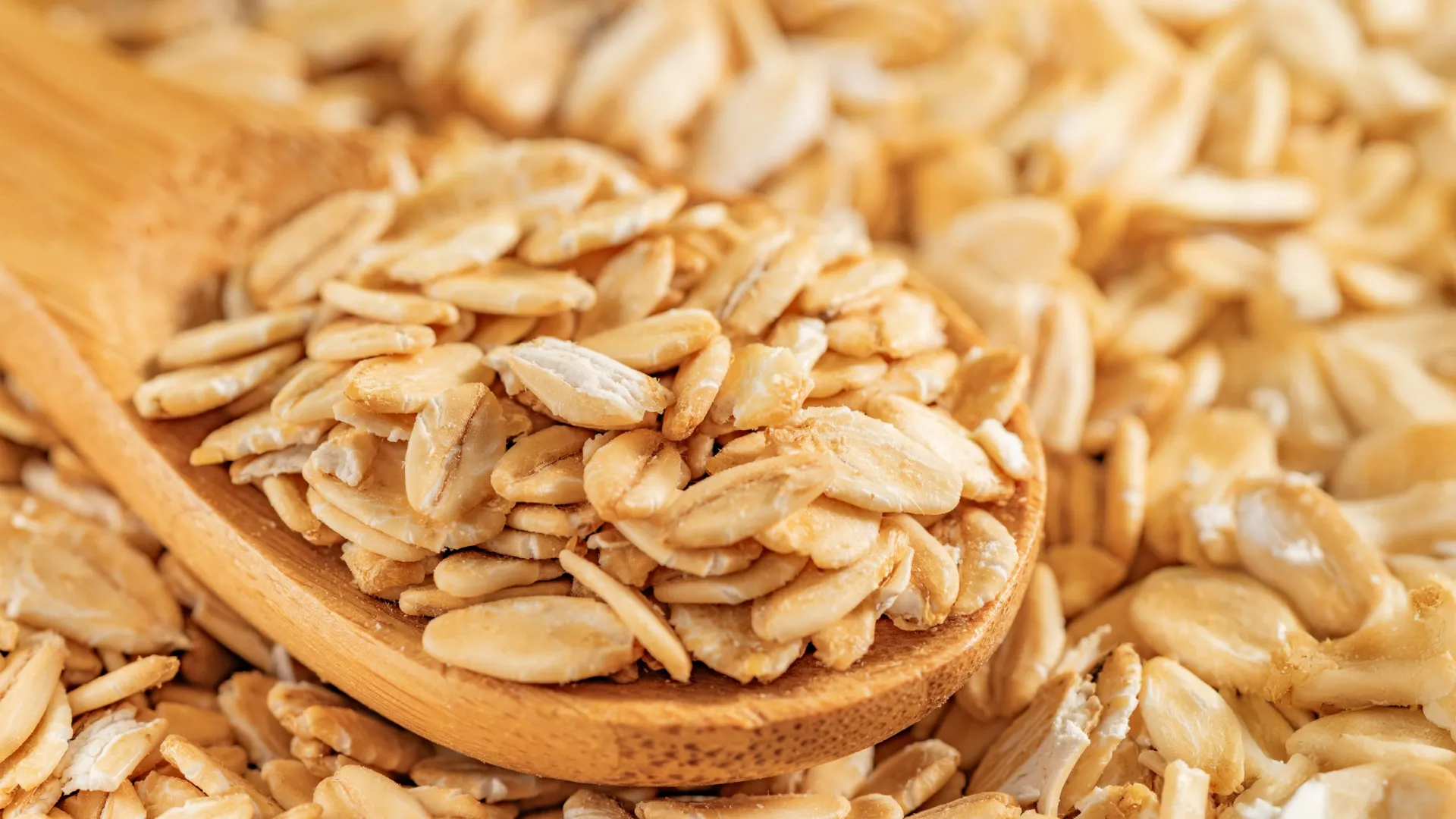
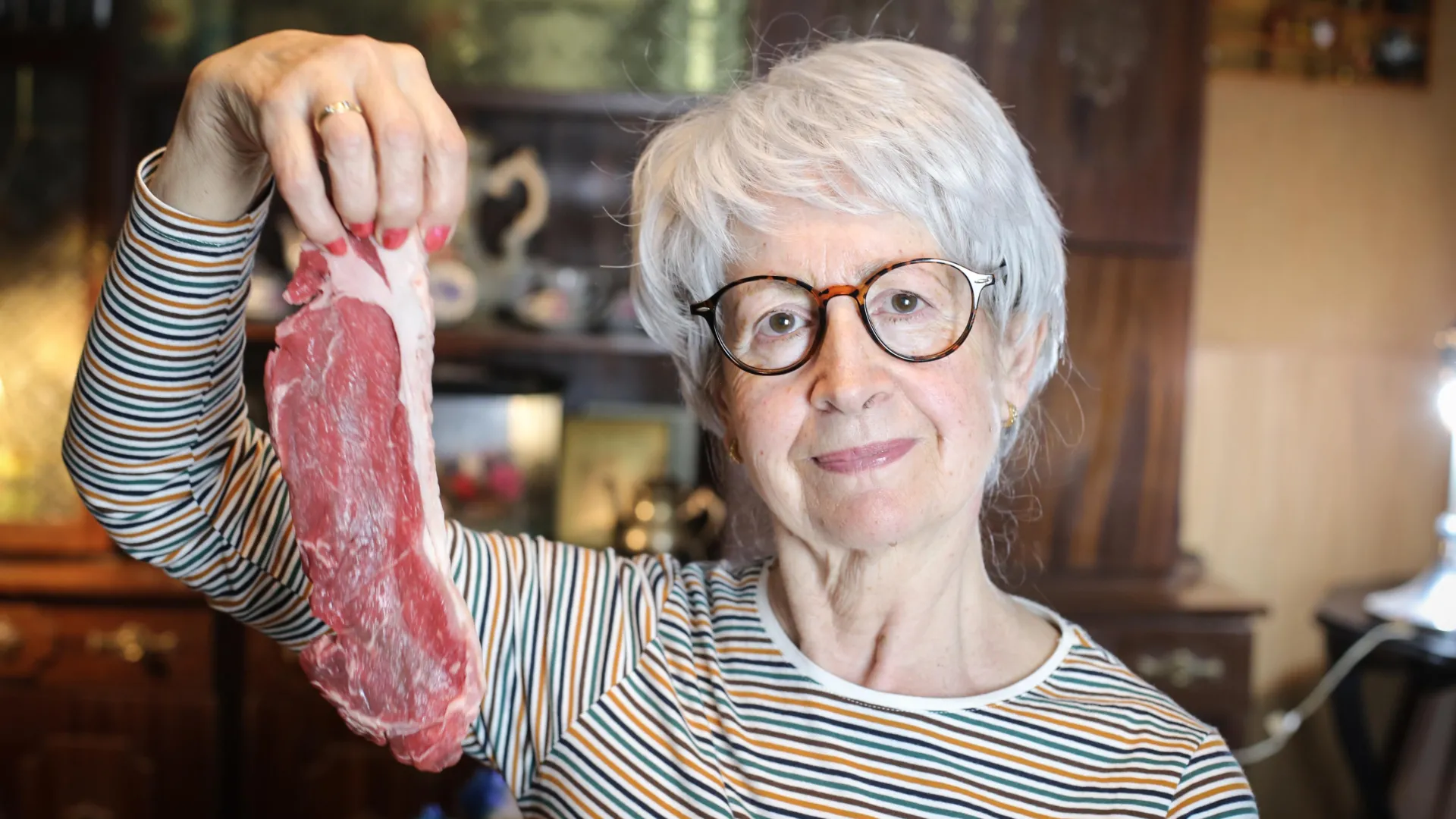
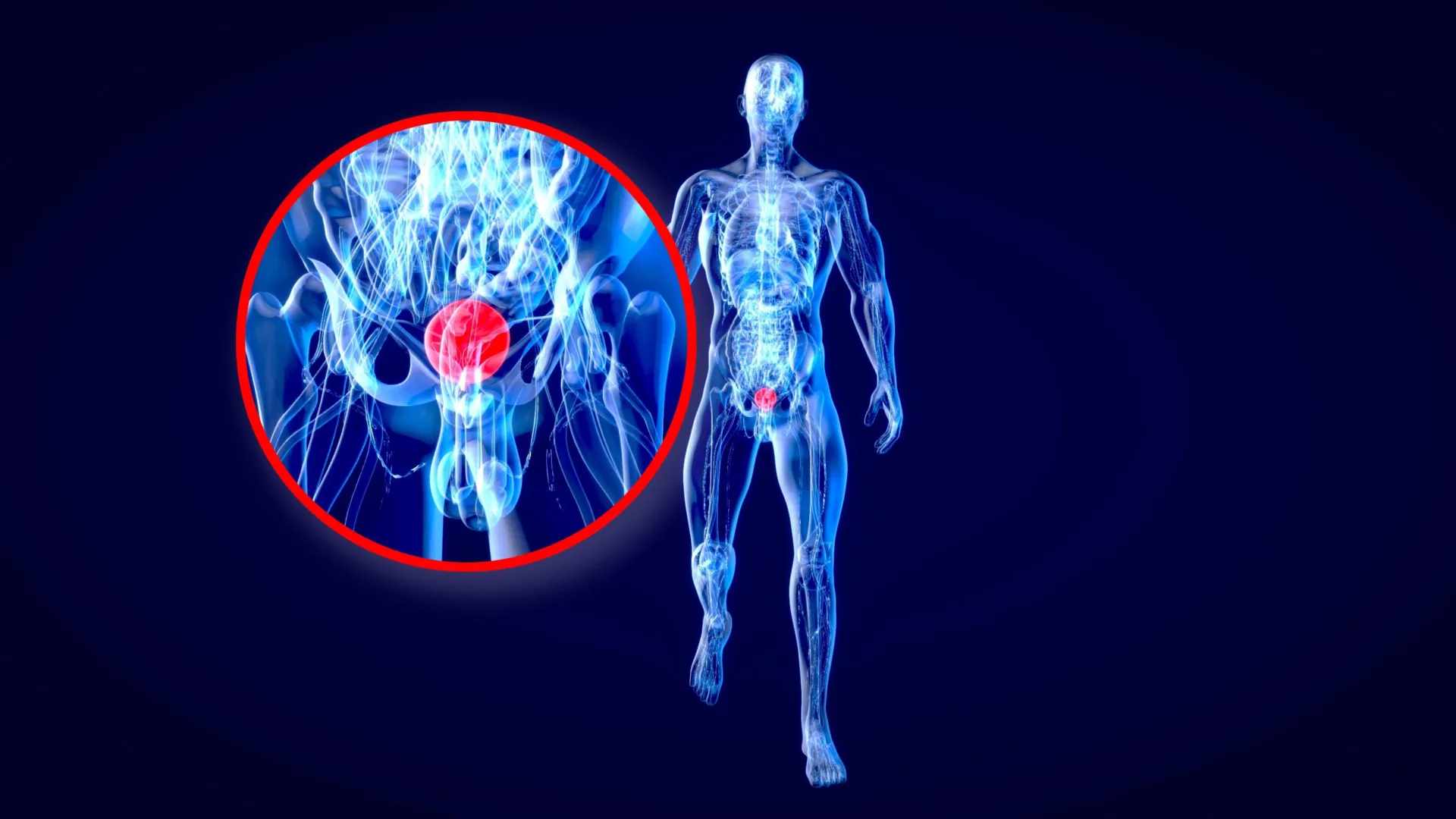
Ultra-processed foods are everywhere in the American diet, and researchers are finding alarming consequences. Using national health data, scientists found that adults with the highest intake of these foods had a 47% higher risk of heart attack or stroke. The results held even after accounting for age, smoking, and income. Experts say reducing ultra-processed foods could become as important to public health as cutting back on tobacco once was.

http://dlvr.it/TQzpF3
Monday, February 16, 2026
Breaking the News That a Loved One is Going on Hospice Care
When the paperwork was finally signed to get hospice care for my dad, I was grateful. There would now be a routine...
The post Breaking the News That a Loved One is Going on Hospice Care appeared first on Minding Our Elders.
Related Stories
* Reconciling Grief & Relief When the Loved One You Cared for Dies
* Hindsight Can Be a Blessing or a Curse for Caregivers
* Does It Make Sense to Quit Your Job To Care for Your Elderly Parent?
http://dlvr.it/TQzWcP
The post Breaking the News That a Loved One is Going on Hospice Care appeared first on Minding Our Elders.
Related Stories
* Reconciling Grief & Relief When the Loved One You Cared for Dies
* Hindsight Can Be a Blessing or a Curse for Caregivers
* Does It Make Sense to Quit Your Job To Care for Your Elderly Parent?
http://dlvr.it/TQzWcP
Sunday, February 15, 2026
AI uncovers the hidden genetic control centers driving Alzheimer’s
Scientists have created the most detailed maps yet of how genes control one another inside the brains of people with Alzheimer’s disease. Using a powerful new AI-based system called SIGNET, the team uncovered cause-and-effect relationships between genes across six major brain cell types, revealing which genes are truly driving harmful changes. The most dramatic disruptions were found in excitatory neurons, where thousands of genetic interactions appear to be extensively rewired as the disease progresses.
http://dlvr.it/TQzCFz
AI uncovers the hidden genetic control centers driving Alzheimer’s
Scientists have created the most detailed maps yet of how genes control one another inside the brains of people with Alzheimer’s disease. Using a powerful new AI-based system called SIGNET, the team uncovered cause-and-effect relationships between genes across six major brain cell types, revealing which genes are truly driving harmful changes. The most dramatic disruptions were found in excitatory neurons, where thousands of genetic interactions appear to be extensively rewired as the disease progresses.
http://dlvr.it/TQz3sT
AI reads brain MRIs in seconds and flags emergencies
Researchers at the University of Michigan have created an AI system that can interpret brain MRI scans in just seconds, accurately identifying a wide range of neurological conditions and determining which cases need urgent care. Trained on hundreds of thousands of real-world scans along with patient histories, the model achieved accuracy as high as 97.5% and outperformed other advanced AI tools.
http://dlvr.it/TQyz73
Barry J. Jacobs, PsyD, Advises Caregiver Whose Family Won’t Help
Dear Carol: I’m the youngest daughter from a large family that’s scattered across the country. Living in our parents’ community makes me...
The post Barry J. Jacobs, PsyD, Advises Caregiver Whose Family Won’t Help appeared first on Minding Our Elders.
Related Stories
* Does It Make Sense to Quit Your Job To Care for Your Elderly Parent?
* Coping With the Guilt after Placing Your Parent in a Care Facility
* How to Talk to the Doctor About Your Aging Parent or Spouse
http://dlvr.it/TQynQ3
The post Barry J. Jacobs, PsyD, Advises Caregiver Whose Family Won’t Help appeared first on Minding Our Elders.
Related Stories
* Does It Make Sense to Quit Your Job To Care for Your Elderly Parent?
* Coping With the Guilt after Placing Your Parent in a Care Facility
* How to Talk to the Doctor About Your Aging Parent or Spouse
http://dlvr.it/TQynQ3
Saturday, February 14, 2026
A simple blood test mismatch linked to kidney failure and death
A major global study suggests that a hidden mismatch between two common blood tests could quietly signal serious trouble ahead. When results from creatinine and cystatin C—two markers used to assess kidney health—don’t line up, the risk of kidney failure, heart disease, and even death appears to rise sharply. Researchers found that this gap is especially common among hospitalized and older patients, and that relying on just one test may miss early warning signs.
http://dlvr.it/TQyGsw
Friday, February 13, 2026
Brain cancer may begin years before doctors can see it
Scientists in South Korea have discovered that one of the most common malignant brain tumors in young adults may begin years before a tumor can be seen. IDH-mutant glioma, long treated by removing visible tumor tissue, actually starts when normal-looking brain cells quietly acquire a cancer-linked mutation and spread through the brain’s cortex. Using advanced genetic mapping and animal models, researchers traced the cancer’s true origin to glial progenitor cells that appear healthy at first.
http://dlvr.it/TQxHNq
How to Survive Caring for Multiple Aging Adults at Once
Each of our aging parents is unique. Some people age so well that they need little help until they are well into...
The post How to Survive Caring for Multiple Aging Adults at Once appeared first on Minding Our Elders.
Related Stories
* Coping With the Guilt after Placing Your Parent in a Care Facility
* When One Parent Dies the Other Often Needs a Long-Term Care Plan
* Journaling for Caregivers: Rediscover Yourself and Reclaim Your Life
http://dlvr.it/TQxG48
The post How to Survive Caring for Multiple Aging Adults at Once appeared first on Minding Our Elders.
Related Stories
* Coping With the Guilt after Placing Your Parent in a Care Facility
* When One Parent Dies the Other Often Needs a Long-Term Care Plan
* Journaling for Caregivers: Rediscover Yourself and Reclaim Your Life
http://dlvr.it/TQxG48
Scientists discover protein that rejuvenates aging brain cells
A newly identified protein may hold the key to rejuvenating aging brain cells. Researchers found that boosting DMTF1 can restore the ability of neural stem cells to regenerate, even when age-related damage has set in. Without it, these cells struggle to renew and support memory and learning. The findings raise hopes for treatments that could slow or even reverse aspects of brain aging.
http://dlvr.it/TQx21H
Thursday, February 12, 2026
Respite is Self-Care for Family Caregivers
Life is demanding. More so when you are caring for others. The responsibilities of caring for someone who is older or has special needs or disabilities can be demanding on your physical, mental, financial, emotional, and social health. Just as flight attendants advise at the beginning of every flight to “put your own oxygen mask … Continue reading Respite is Self-Care for Family Caregivers →
The post Respite is Self-Care for Family Caregivers appeared first on Aging Life Care Association.
http://dlvr.it/TQwrtt
The post Respite is Self-Care for Family Caregivers appeared first on Aging Life Care Association.
http://dlvr.it/TQwrtt
Coping With the Guilt after Placing Your Parent in a Care Facility
Guilt is one emotion that every family caregiver will experience at some point during their journey. When you take on responsibility for...
The post Coping With the Guilt after Placing Your Parent in a Care Facility appeared first on Minding Our Elders.
Related Stories
* How to Talk to the Doctor About Your Aging Parent or Spouse
* Reconciling Grief & Relief When the Loved One You Cared for Dies
* Hindsight Can Be a Blessing or a Curse for Caregivers
http://dlvr.it/TQw7ds
The post Coping With the Guilt after Placing Your Parent in a Care Facility appeared first on Minding Our Elders.
Related Stories
* How to Talk to the Doctor About Your Aging Parent or Spouse
* Reconciling Grief & Relief When the Loved One You Cared for Dies
* Hindsight Can Be a Blessing or a Curse for Caregivers
http://dlvr.it/TQw7ds
Wednesday, February 11, 2026
Just 5 weeks of brain training may protect against dementia for 20 years
A simple brain-training program that sharpens how quickly older adults process visual information may have a surprisingly powerful long-term payoff. In a major 20-year study of adults 65 and older, those who completed five to six weeks of adaptive “speed of processing” training — along with a few booster sessions — were significantly less likely to develop dementia, including Alzheimer’s disease, even two decades later. Participants who received the boosted speed training had a 25% lower dementia risk compared to those who received no training, making it the only intervention in the trial to show such a lasting protective effect.
http://dlvr.it/TQvndq
Trademark & Brand Protection Update | January 2026
Game Plan, Inc. (“Game Plan”), a nonprofit organization that supports student‑athletes in underserved communities, appealed a decision of the Trademark Trial and Appeal Board (“TTAB”) to the Federal Circuit (see Game Plan, Inc. v. Uninterrupted IP, LLC, 2025 USPQ2D 1451 (Fed. Cir. 2025))....
By: Knobbe Martens
http://dlvr.it/TQvV8M
By: Knobbe Martens
http://dlvr.it/TQvV8M
How to Talk to the Doctor About Your Aging Parent or Spouse
A frequent problem expressed among family caregivers is that their aging loved ones aren’t honest with their doctors. At home, they may...
The post How to Talk to the Doctor About Your Aging Parent or Spouse appeared first on Minding Our Elders.
Related Stories
* When One Parent Dies the Other Often Needs a Long-Term Care Plan
* Journaling for Caregivers: Rediscover Yourself and Reclaim Your Life
* People Experiencing Dementia Symptoms May Deny Any Concerns
http://dlvr.it/TQv1zV
The post How to Talk to the Doctor About Your Aging Parent or Spouse appeared first on Minding Our Elders.
Related Stories
* When One Parent Dies the Other Often Needs a Long-Term Care Plan
* Journaling for Caregivers: Rediscover Yourself and Reclaim Your Life
* People Experiencing Dementia Symptoms May Deny Any Concerns
http://dlvr.it/TQv1zV
Depression may be the brain’s early warning sign of Parkinson’s or dementia
Depression in older adults may sometimes signal the early stages of Parkinson’s disease or Lewy body dementia. Researchers found that depression often appears years before diagnosis and remains elevated long afterward, unlike in other chronic illnesses. This suggests depression may reflect early brain changes rather than emotional distress alone.
http://dlvr.it/TQv1sk
TikTok’s gout advice is everywhere and doctors say it’s often wrong
A new study finds that TikTok videos about gout frequently spread confusing or inaccurate advice. Most clips focus on diet changes and supplements, while barely mentioning the long-term treatments doctors say are essential for controlling the disease. Many videos also frame gout as a lifestyle problem, rather than a condition driven largely by genetics and underlying health factors. Researchers say the platform has huge potential—but only if accurate medical voices step in.
http://dlvr.it/TQtvcb
Tuesday, February 10, 2026
When One Parent Dies the Other Often Needs a Long-Term Care Plan
Long-term marriages generally evolve into a support system so efficient that even adult children hardly notice changes in their parents. If Dad’s...
The post When One Parent Dies the Other Often Needs a Long-Term Care Plan appeared first on Minding Our Elders.
Related Stories
* Reconciling Grief & Relief When the Loved One You Cared for Dies
* Journaling for Caregivers: Rediscover Yourself and Reclaim Your Life
* Parents’ Neighborhood Changing as Old Friends Move Away
http://dlvr.it/TQsw08
The post When One Parent Dies the Other Often Needs a Long-Term Care Plan appeared first on Minding Our Elders.
Related Stories
* Reconciling Grief & Relief When the Loved One You Cared for Dies
* Journaling for Caregivers: Rediscover Yourself and Reclaim Your Life
* Parents’ Neighborhood Changing as Old Friends Move Away
http://dlvr.it/TQsw08
Doctors test brain cell implants to restore movement in Parkinson’s
Scientists at Keck Medicine of USC are testing an experimental stem cell therapy that aims to restore the brain’s ability to produce dopamine, the chemical whose loss drives Parkinson’s disease. The early-stage clinical trial involves implanting lab-grown dopamine-producing cells directly into a key movement-control region of the brain, with the hope of slowing disease progression and improving motor function.
http://dlvr.it/TQsp9m
Hearing aids didn’t boost memory tests but dementia risk dropped
A long-term study of older adults with moderate hearing loss found that hearing aids did not lead to better performance on memory or thinking tests, but the story did not end there. Over seven years, people who were prescribed hearing aids were significantly less likely to develop dementia than those who were not.
http://dlvr.it/TQsb8T
Monday, February 9, 2026
Scientists find a missing link between Epstein-Barr virus and multiple sclerosis
New research suggests that Epstein-Barr virus may actively provoke the immune system in people with multiple sclerosis. Scientists found large buildups of virus-targeting immune cells in the nervous systems of MS patients, far more than in their blood. One viral gene was active only in people with MS, hinting at a direct role in the disease. The findings could help guide new approaches to treatment.
http://dlvr.it/TQrXjP
Sunday, February 8, 2026
Menopause linked to grey matter loss in key brain regions
A major study suggests menopause is linked to changes in brain structure, mental health, and sleep. Brain scans revealed grey matter loss in areas tied to memory and emotional regulation, while many women reported increased anxiety, depression, and fatigue. Hormone therapy did not reverse these effects, though it may slow age-related declines in reaction speed. Researchers say menopause could represent an important turning point for brain health.
http://dlvr.it/TQrK1c
A hidden Aloe vera compound takes aim at Alzheimer’s
Scientists have uncovered promising clues that compounds found in Aloe vera could play a role in fighting Alzheimer’s disease. Using advanced computer modeling, researchers discovered that beta-sitosterol—a natural plant compound—strongly interacts with two key enzymes involved in memory loss and cognitive decline. The compound showed stability, strong binding, and favorable safety indicators, making it a standout candidate for future drug development.
http://dlvr.it/TQr1NJ
People Experiencing Dementia Symptoms May Deny Any Concerns
Dear Carol: Do people with dementia deny their disease because of the stigma, or do they just not know they have it?...
The post People Experiencing Dementia Symptoms May Deny Any Concerns appeared first on Minding Our Elders.
Related Stories
* Parents’ Neighborhood Changing as Old Friends Move Away
* Reconciling Grief & Relief When the Loved One You Cared for Dies
* Hindsight Can Be a Blessing or a Curse for Caregivers
http://dlvr.it/TQqw6l
The post People Experiencing Dementia Symptoms May Deny Any Concerns appeared first on Minding Our Elders.
Related Stories
* Parents’ Neighborhood Changing as Old Friends Move Away
* Reconciling Grief & Relief When the Loved One You Cared for Dies
* Hindsight Can Be a Blessing or a Curse for Caregivers
http://dlvr.it/TQqw6l
This AI spots dangerous blood cells doctors often miss
A generative AI system can now analyze blood cells with greater accuracy and confidence than human experts, detecting subtle signs of diseases like leukemia. It not only spots rare abnormalities but also recognizes its own uncertainty, making it a powerful support tool for clinicians.
http://dlvr.it/TQqlgr
Saturday, February 7, 2026
Dermatologists say collagen supplements aren’t the skin fix people expect
Collagen pills sound like a shortcut to younger skin, but solid evidence doesn’t back them up. Higher-quality studies show little benefit, and your body doesn’t absorb collagen in the way ads suggest. Some supplements may even pose safety concerns and lack proper testing. Experts recommend focusing on proven habits like sunscreen, retinoids, and a nutrient-rich diet instead.
http://dlvr.it/TQqZDr
Reconciling Grief & Relief When the Loved One You Cared for Dies
When my mother died in a local nursing home, my “career” of visiting this exceptional facility nearly every day for almost 15...
The post Reconciling Grief & Relief When the Loved One You Cared for Dies appeared first on Minding Our Elders.
Related Stories
* Hindsight Can Be a Blessing or a Curse for Caregivers
* Questions to Determine the Impact of Caregiving
* What to Do When a Person with Dementia Repeats the Same Things Over and Over
http://dlvr.it/TQq7bc
The post Reconciling Grief & Relief When the Loved One You Cared for Dies appeared first on Minding Our Elders.
Related Stories
* Hindsight Can Be a Blessing or a Curse for Caregivers
* Questions to Determine the Impact of Caregiving
* What to Do When a Person with Dementia Repeats the Same Things Over and Over
http://dlvr.it/TQq7bc
Finally explained: Why kidney disease is so deadly for the heart
Scientists have uncovered why people with chronic kidney disease so often die from heart problems: damaged kidneys release tiny particles into the bloodstream that actively poison the heart. These particles, produced only by diseased kidneys, carry genetic material that disrupts heart function and can lead to heart failure.
http://dlvr.it/TQps7l
Friday, February 6, 2026
A 25-year study found an unexpected link between cheese and dementia
A massive Swedish study tracking nearly 28,000 people for 25 years found an unexpected link between full-fat dairy and brain health. Among adults without a genetic risk for Alzheimer’s, eating more full-fat cheese was associated with a noticeably lower risk of developing the disease, while higher cream intake was tied to reduced dementia risk overall. The findings challenge decades of low-fat dietary advice but come with important caveats.
http://dlvr.it/TQpkmH
Hindsight Can Be a Blessing or a Curse for Caregivers
They say hindsight is 20/20. But things from the past that may seem “clear” to you now can still be distorted by...
The post Hindsight Can Be a Blessing or a Curse for Caregivers appeared first on Minding Our Elders.
Related Stories
* Questions to Determine the Impact of Caregiving
* What to Do When a Person with Dementia Repeats the Same Things Over and Over
* When a Loved One with Alzheimer’s Doesn’t Recognize You
http://dlvr.it/TQnn70
The post Hindsight Can Be a Blessing or a Curse for Caregivers appeared first on Minding Our Elders.
Related Stories
* Questions to Determine the Impact of Caregiving
* What to Do When a Person with Dementia Repeats the Same Things Over and Over
* When a Loved One with Alzheimer’s Doesn’t Recognize You
http://dlvr.it/TQnn70
Keto diet weight loss may come with a hidden cost
A long-term study found that while a ketogenic diet prevented weight gain, it also triggered major metabolic problems. Mice developed fatty liver disease, abnormal blood fats, and an impaired ability to control blood sugar—especially after reintroducing carbohydrates. Male mice were hit hardest, showing severe liver damage. The results suggest keto’s benefits may come with hidden risks over time.
http://dlvr.it/TQnkl0
Thursday, February 5, 2026
A common parasite in the brain is far more active than we thought
A common parasite long thought to lie dormant is actually much more active and complex. Researchers found that Toxoplasma gondii cysts contain multiple parasite subtypes, not just one sleeping form. Some are primed to reactivate and cause disease, which helps explain why infections are so hard to treat. The discovery could reshape efforts to develop drugs that finally eliminate the parasite for good.
http://dlvr.it/TQnZYL
Wednesday, February 4, 2026
A silent brain disease can quadruple dementia risk
Researchers studying nearly 2 million older adults found that cerebral amyloid angiopathy sharply raises the risk of developing dementia. Within five years, people with the condition were far more likely to be diagnosed than those without it. The increased risk was present even without a history of stroke. Experts say this makes early screening for memory and thinking changes especially important.
http://dlvr.it/TQmRDq
Questions to Determine the Impact of Caregiving
Are you prepared to take on the responsibility of caring for a family member? Will you be able to handle the commitment...
The post Questions to Determine the Impact of Caregiving appeared first on Minding Our Elders.
Related Stories
* What to Do When a Person with Dementia Repeats the Same Things Over and Over
* When a Loved One with Alzheimer’s Doesn’t Recognize You
* New Caregivers: Tips on Caring for Aging Parents
http://dlvr.it/TQlNTs
The post Questions to Determine the Impact of Caregiving appeared first on Minding Our Elders.
Related Stories
* What to Do When a Person with Dementia Repeats the Same Things Over and Over
* When a Loved One with Alzheimer’s Doesn’t Recognize You
* New Caregivers: Tips on Caring for Aging Parents
http://dlvr.it/TQlNTs
Tuesday, February 3, 2026
A room full of flu patients and no one got sick
In a striking real-world experiment, flu patients spent days indoors with healthy volunteers, but the virus never spread. Researchers found that limited coughing and well-mixed indoor air kept virus levels low, even with close contact. Age may have helped too, since middle-aged adults are less likely to catch the flu than younger people. The results highlight ventilation, air movement, and masks as key defenses against infection.
http://dlvr.it/TQlDQh
New Caregivers: Tips on Caring for Aging Parents
I have interacted with countless professional and informal caregivers over the years, and I’ve noticed two prominent patterns that characterized my own...
The post New Caregivers: Tips on Caring for Aging Parents appeared first on Minding Our Elders.
Related Stories
* What to Do When a Person with Dementia Repeats the Same Things Over and Over
* When a Loved One with Alzheimer’s Doesn’t Recognize You
* Coping with Caregiving: The Habit of Emotional Eating
http://dlvr.it/TQkB8x
The post New Caregivers: Tips on Caring for Aging Parents appeared first on Minding Our Elders.
Related Stories
* What to Do When a Person with Dementia Repeats the Same Things Over and Over
* When a Loved One with Alzheimer’s Doesn’t Recognize You
* Coping with Caregiving: The Habit of Emotional Eating
http://dlvr.it/TQkB8x
Monday, February 2, 2026
Coping with Caregiving: The Habit of Emotional Eating
As far back as breast or formula feeding, most of us learned that a sweet taste meant care and comfort. As we...
The post Coping with Caregiving: The Habit of Emotional Eating appeared first on Minding Our Elders.
Related Stories
* What to Do When a Person with Dementia Repeats the Same Things Over and Over
* Confabulation in Dementia Can Feel Like Hurtful Lies
* When a Loved One with Alzheimer’s Doesn’t Recognize You
http://dlvr.it/TQj11G
The post Coping with Caregiving: The Habit of Emotional Eating appeared first on Minding Our Elders.
Related Stories
* What to Do When a Person with Dementia Repeats the Same Things Over and Over
* Confabulation in Dementia Can Feel Like Hurtful Lies
* When a Loved One with Alzheimer’s Doesn’t Recognize You
http://dlvr.it/TQj11G
Sunday, February 1, 2026
Alzheimer’s scrambles memories while the brain rests
When the brain rests, it usually replays recent experiences to strengthen memory. Scientists found that in Alzheimer’s-like mice, this replay still occurs — but the signals are jumbled and poorly coordinated. As a result, memory-supporting brain cells lose their stability, and the animals struggle to remember where they’ve been.
http://dlvr.it/TQhYQ4
Parents’ Neighborhood Changing as Old Friends Move Away
Dear Carol: Like most older adults, my parents want to live out their lives in their home. They’re very healthy for people...
The post Parents’ Neighborhood Changing as Old Friends Move Away appeared first on Minding Our Elders.
Related Stories
* You Don’t Stop Being a Caregiver When Your Spouse Enters Memory Care
* What to Do When a Person with Dementia Repeats the Same Things Over and Over
* Are People with Advanced Alzheimer’s Aware of Their Surroundings?
http://dlvr.it/TQh7xG
The post Parents’ Neighborhood Changing as Old Friends Move Away appeared first on Minding Our Elders.
Related Stories
* You Don’t Stop Being a Caregiver When Your Spouse Enters Memory Care
* What to Do When a Person with Dementia Repeats the Same Things Over and Over
* Are People with Advanced Alzheimer’s Aware of Their Surroundings?
http://dlvr.it/TQh7xG
Saturday, January 31, 2026
Scientists discover how the uterus knows when to push during childbirth
Childbirth depends not just on hormones, but on the uterus’s ability to sense physical force. Scientists found that pressure and stretch sensors in uterine muscles and surrounding nerves work together to trigger coordinated contractions. When these sensors are disrupted, contractions weaken and delivery slows. The discovery helps explain stalled labor—and could one day lead to better ways to manage childbirth.
http://dlvr.it/TQgzqc
A quiet change in everyday foods could save thousands of lives
Lowering salt in everyday foods could quietly save lives. Researchers found that modest sodium reductions in bread, packaged foods, and takeout meals could significantly reduce heart disease and stroke rates in France and the U.K. The key advantage is that people would not need to alter their eating habits at all. Small changes to the food supply could deliver large, long-term health benefits.
http://dlvr.it/TQgr94
Friday, January 30, 2026
Massive brain study reveals why memory loss can suddenly speed up with age
A massive international brain study has revealed that memory decline with age isn’t driven by a single brain region or gene, but by widespread structural changes across the brain that build up over time. Analyzing thousands of MRI scans and memory tests from healthy adults, researchers found that memory loss accelerates as brain tissue shrinkage increases, especially later in life. While the hippocampus plays a key role, many other brain regions also contribute, forming a broad vulnerability rather than isolated damage.
http://dlvr.it/TQgDxh
Obesity and high blood pressure may directly cause dementia
A new genetic study suggests that obesity and high blood pressure may play a direct role in causing dementia, not just increasing the risk. By analyzing data from large populations in Denmark and the U.K., researchers found strong evidence that higher body weight can damage brain health over time, especially when it leads to elevated blood pressure. Much of the dementia risk appeared to be tied to vascular damage in the brain, which affects blood flow and cognitive function.
http://dlvr.it/TQg3ZY
Are People with Advanced Alzheimer’s Aware of Their Surroundings?
Even among medical experts, you will find differing opinions on how much someone with advanced dementia of any type understands. Alzheimer’s disease...
The post Are People with Advanced Alzheimer’s Aware of Their Surroundings? appeared first on Minding Our Elders.
Related Stories
* Confabulation in Dementia Can Feel Like Hurtful Lies
* Challenging Caregiver Situations Abound: Here are 4
* Time Management Strategies for Caregivers
http://dlvr.it/TQfNTZ
The post Are People with Advanced Alzheimer’s Aware of Their Surroundings? appeared first on Minding Our Elders.
Related Stories
* Confabulation in Dementia Can Feel Like Hurtful Lies
* Challenging Caregiver Situations Abound: Here are 4
* Time Management Strategies for Caregivers
http://dlvr.it/TQfNTZ
Thursday, January 29, 2026
Stanford scientists found a way to regrow cartilage and stop arthritis
Scientists at Stanford Medicine have discovered a treatment that can reverse cartilage loss in aging joints and even prevent arthritis after knee injuries. By blocking a protein linked to aging, the therapy restored healthy, shock-absorbing cartilage in old mice and injured joints, dramatically improving movement and joint function. Human cartilage samples from knee replacement surgeries also began regenerating when exposed to the treatment.
http://dlvr.it/TQf5fm
A simple blood test could spot Parkinson’s years before symptoms
Scientists in Sweden and Norway have uncovered a promising way to spot Parkinson’s disease years—possibly decades—before its most damaging symptoms appear. By detecting subtle biological signals in the blood tied to how cells handle stress and repair DNA, the team identified a brief early window when Parkinson’s quietly leaves a measurable fingerprint.
http://dlvr.it/TQddJc
Wednesday, January 28, 2026
Dad Had a Stroke… Now What?
Mr. Smith is 79 years old. A week ago, he had a stroke while home alone. Thankfully, his youngest son arrived minutes later and got Mr. Smith admitted to the hospital. After a week, the hospital discharge planner contacted Mr. Smith’s oldest son, Paul, who is listed as his healthcare POA (Power of Attorney). The … Continue reading Dad Had a Stroke… Now What? →
The post Dad Had a Stroke… Now What? appeared first on Aging Life Care Association.
http://dlvr.it/TQd3Kd
The post Dad Had a Stroke… Now What? appeared first on Aging Life Care Association.
http://dlvr.it/TQd3Kd
Millions with dementia still prescribed drugs linked to falls and confusion
Despite longstanding guidelines, many dementia patients are still prescribed brain-altering medications that can raise the risk of falls and confusion. A new study shows that while prescribing has decreased overall, people with cognitive impairment remain more likely to receive these drugs. In many cases, there was no documented medical justification. The results suggest that medication safety remains a serious concern in dementia care.
http://dlvr.it/TQczJc
This one gene may explain most Alzheimer’s cases
Alzheimer’s may be driven far more by genetics than previously thought, with one gene playing an outsized role. Researchers found that up to nine in ten cases could be linked to the APOE gene — even including a common version once considered neutral. The discovery reshapes how scientists think about risk and prevention. It also highlights a major opportunity for new treatments aimed at a single biological pathway.
http://dlvr.it/TQcWhq
Subscribe to:
Comments (Atom)