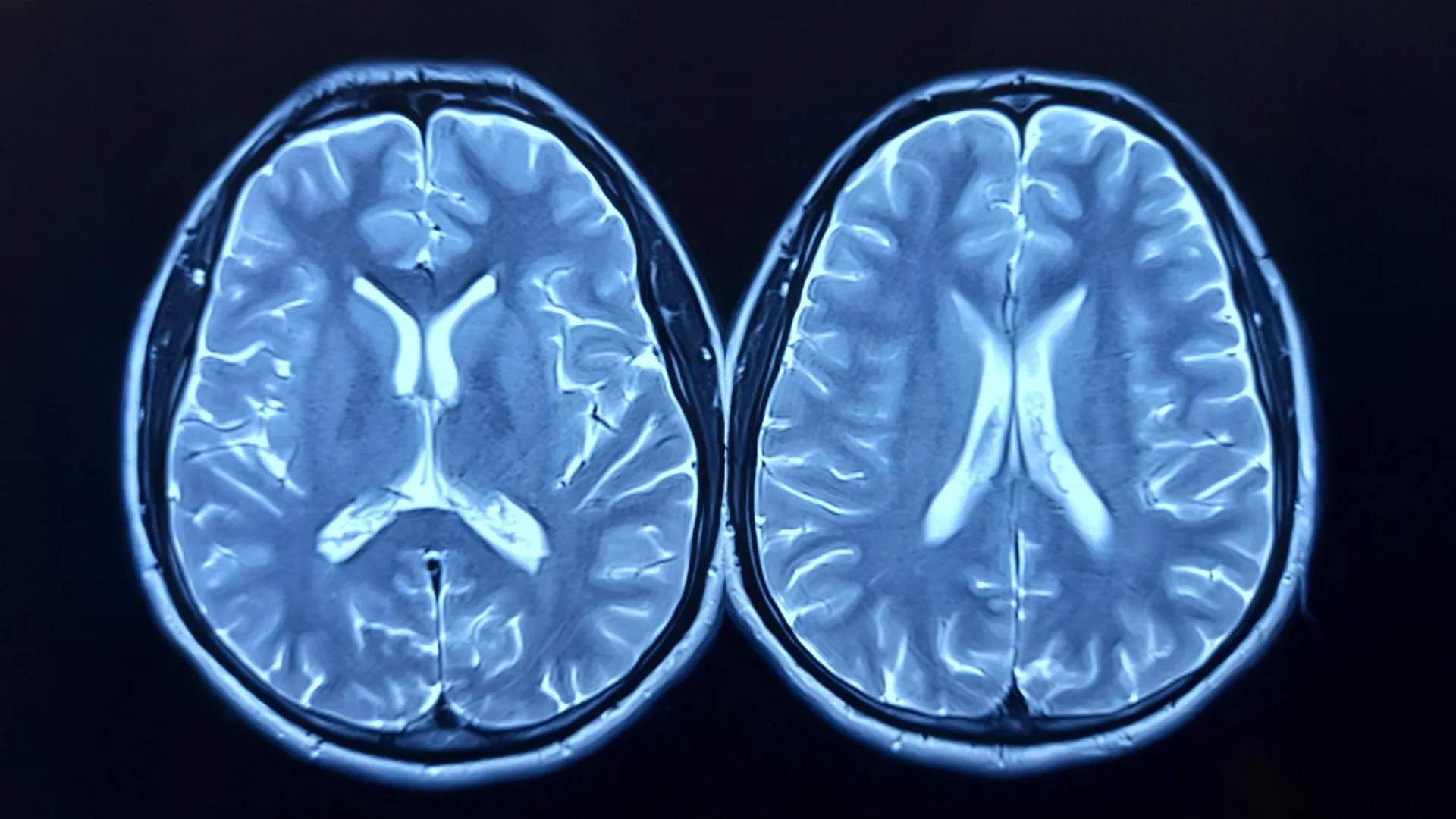
Childbirth depends not just on hormones, but on the uterus’s ability to sense physical force. Scientists found that pressure and stretch sensors in uterine muscles and surrounding nerves work together to trigger coordinated contractions. When these sensors are disrupted, contractions weaken and delivery slows. The discovery helps explain stalled labor—and could one day lead to better ways to manage childbirth.
http://dlvr.it/TQgzqc
Saturday, January 31, 2026
A quiet change in everyday foods could save thousands of lives
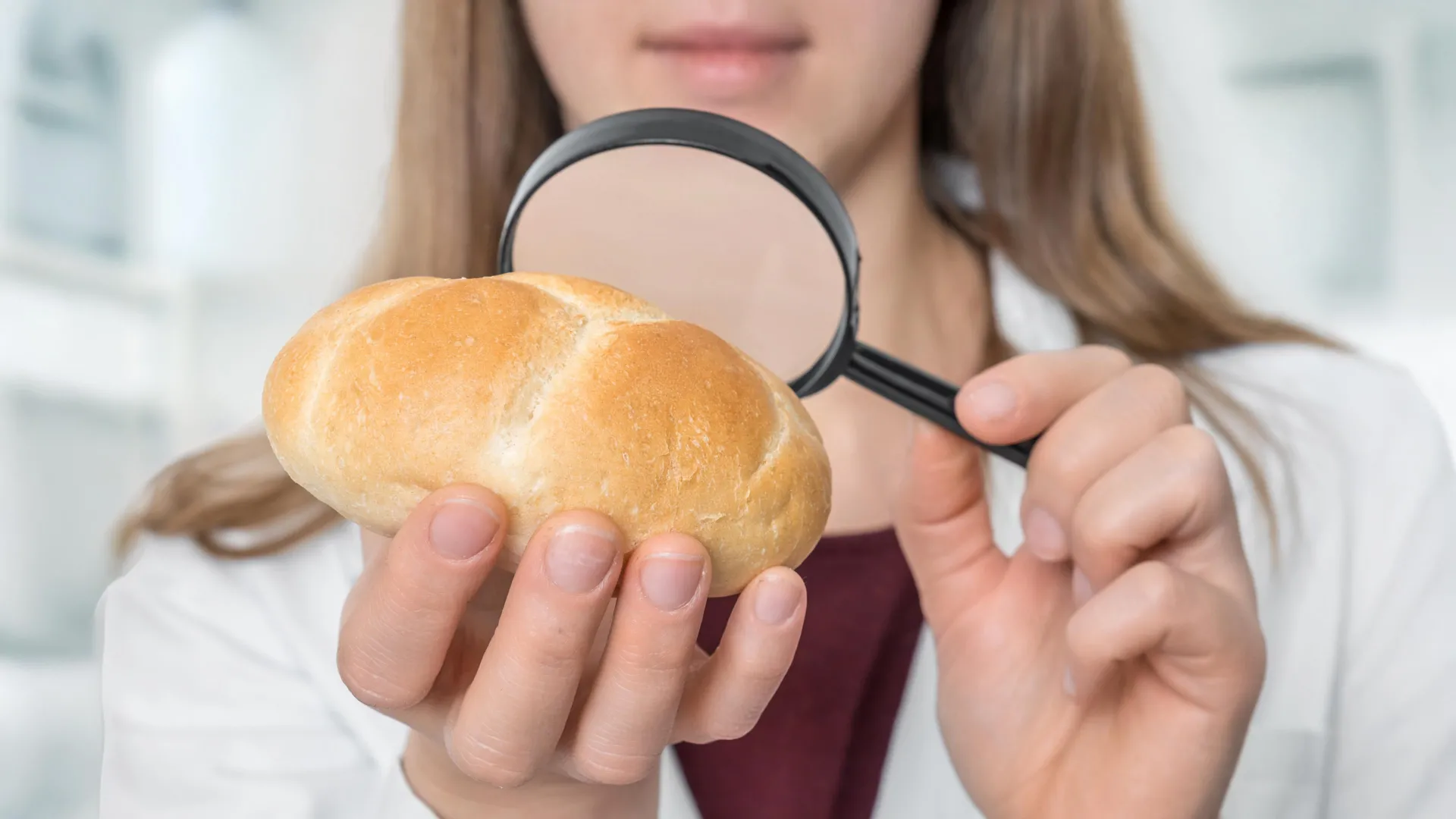
Lowering salt in everyday foods could quietly save lives. Researchers found that modest sodium reductions in bread, packaged foods, and takeout meals could significantly reduce heart disease and stroke rates in France and the U.K. The key advantage is that people would not need to alter their eating habits at all. Small changes to the food supply could deliver large, long-term health benefits.
http://dlvr.it/TQgr94
Friday, January 30, 2026
Massive brain study reveals why memory loss can suddenly speed up with age
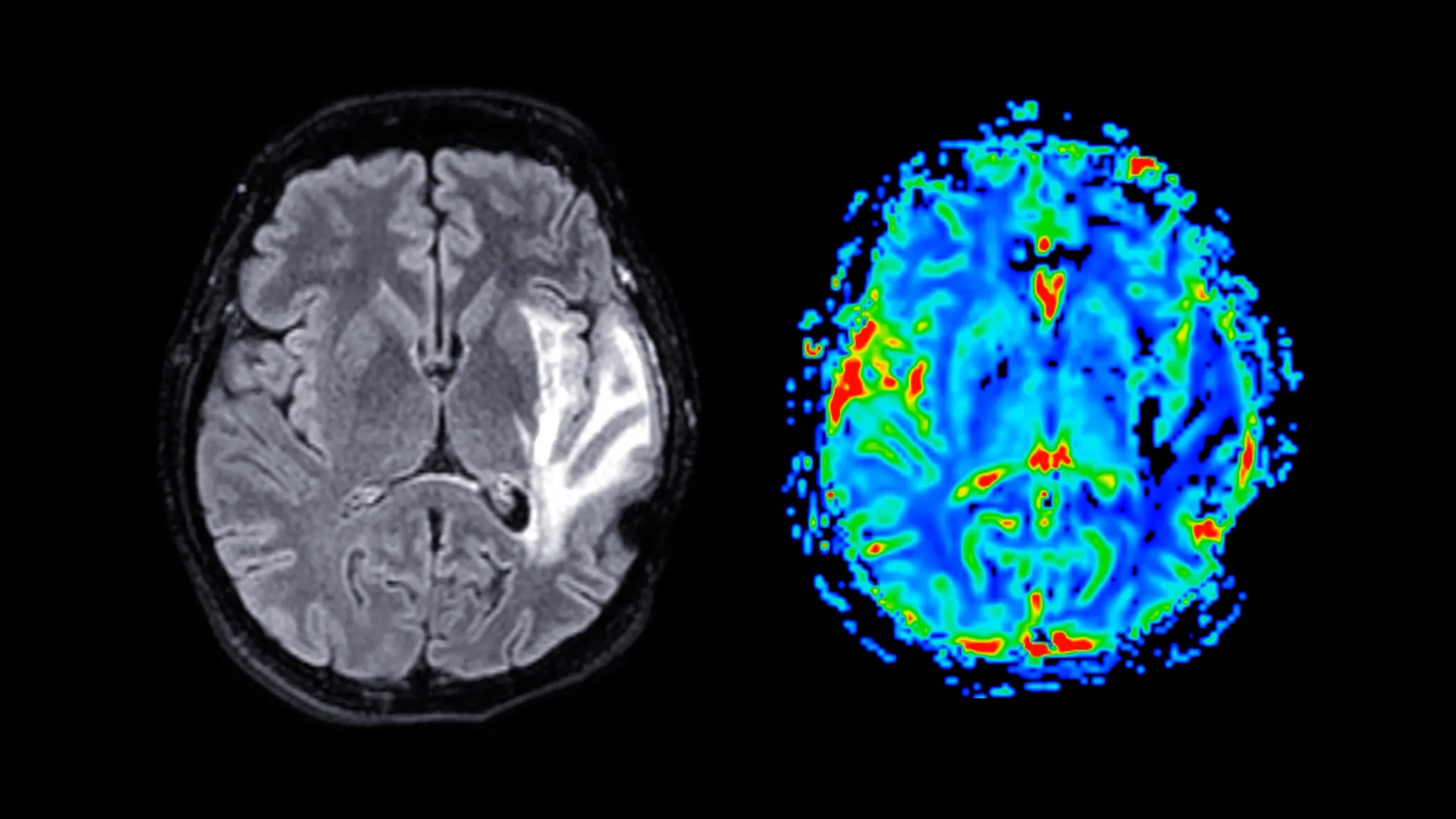
A massive international brain study has revealed that memory decline with age isn’t driven by a single brain region or gene, but by widespread structural changes across the brain that build up over time. Analyzing thousands of MRI scans and memory tests from healthy adults, researchers found that memory loss accelerates as brain tissue shrinkage increases, especially later in life. While the hippocampus plays a key role, many other brain regions also contribute, forming a broad vulnerability rather than isolated damage.
http://dlvr.it/TQgDxh
Obesity and high blood pressure may directly cause dementia
A new genetic study suggests that obesity and high blood pressure may play a direct role in causing dementia, not just increasing the risk. By analyzing data from large populations in Denmark and the U.K., researchers found strong evidence that higher body weight can damage brain health over time, especially when it leads to elevated blood pressure. Much of the dementia risk appeared to be tied to vascular damage in the brain, which affects blood flow and cognitive function.
http://dlvr.it/TQg3ZY
Are People with Advanced Alzheimer’s Aware of Their Surroundings?
Even among medical experts, you will find differing opinions on how much someone with advanced dementia of any type understands. Alzheimer’s disease...
The post Are People with Advanced Alzheimer’s Aware of Their Surroundings? appeared first on Minding Our Elders.
Related Stories
* Confabulation in Dementia Can Feel Like Hurtful Lies
* Challenging Caregiver Situations Abound: Here are 4
* Time Management Strategies for Caregivers
http://dlvr.it/TQfNTZ
The post Are People with Advanced Alzheimer’s Aware of Their Surroundings? appeared first on Minding Our Elders.
Related Stories
* Confabulation in Dementia Can Feel Like Hurtful Lies
* Challenging Caregiver Situations Abound: Here are 4
* Time Management Strategies for Caregivers
http://dlvr.it/TQfNTZ
Thursday, January 29, 2026
Stanford scientists found a way to regrow cartilage and stop arthritis
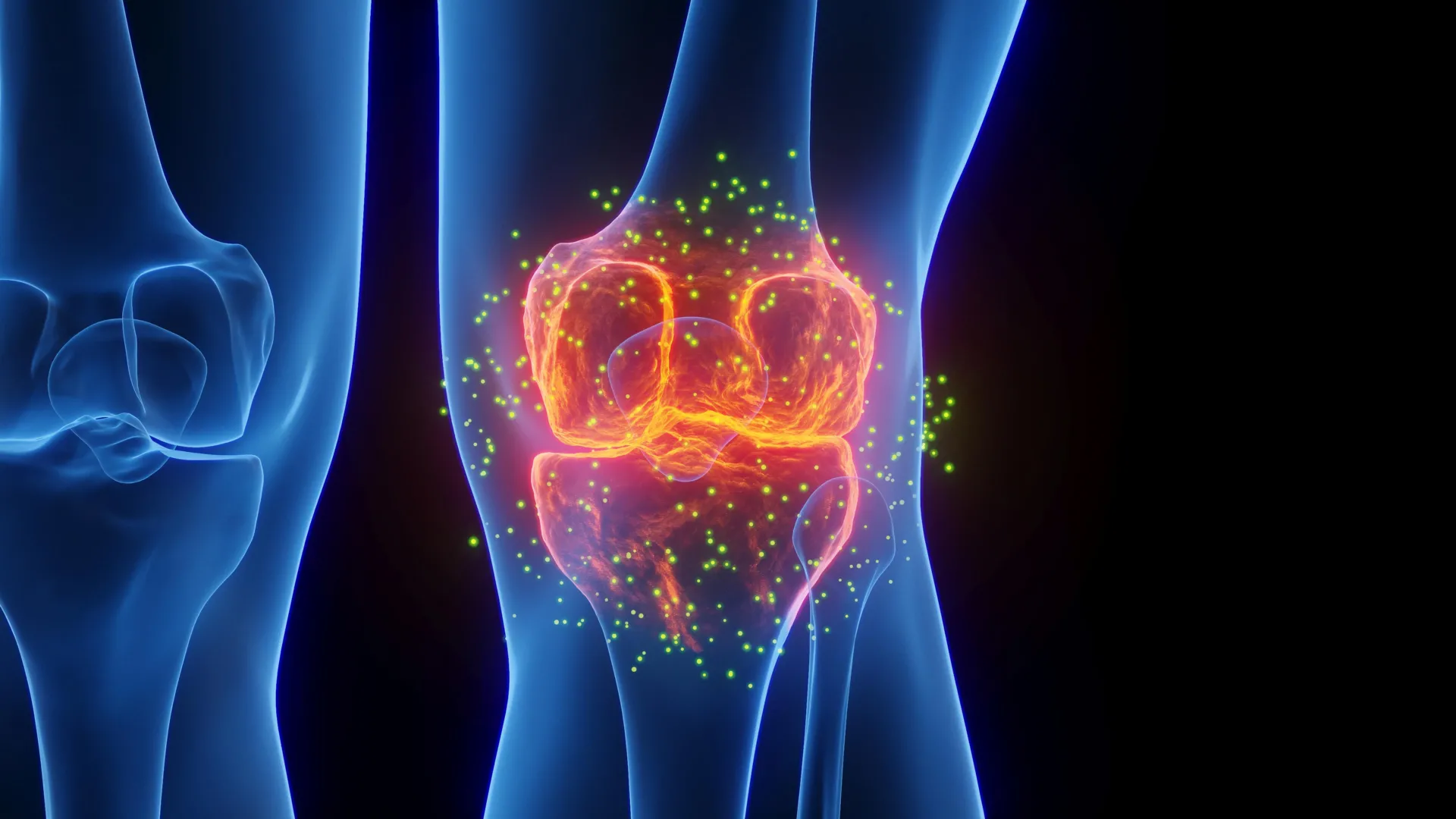
Scientists at Stanford Medicine have discovered a treatment that can reverse cartilage loss in aging joints and even prevent arthritis after knee injuries. By blocking a protein linked to aging, the therapy restored healthy, shock-absorbing cartilage in old mice and injured joints, dramatically improving movement and joint function. Human cartilage samples from knee replacement surgeries also began regenerating when exposed to the treatment.
http://dlvr.it/TQf5fm
A simple blood test could spot Parkinson’s years before symptoms
Scientists in Sweden and Norway have uncovered a promising way to spot Parkinson’s disease years—possibly decades—before its most damaging symptoms appear. By detecting subtle biological signals in the blood tied to how cells handle stress and repair DNA, the team identified a brief early window when Parkinson’s quietly leaves a measurable fingerprint.
http://dlvr.it/TQddJc
Wednesday, January 28, 2026
Dad Had a Stroke… Now What?
Mr. Smith is 79 years old. A week ago, he had a stroke while home alone. Thankfully, his youngest son arrived minutes later and got Mr. Smith admitted to the hospital. After a week, the hospital discharge planner contacted Mr. Smith’s oldest son, Paul, who is listed as his healthcare POA (Power of Attorney). The … Continue reading Dad Had a Stroke… Now What? →
The post Dad Had a Stroke… Now What? appeared first on Aging Life Care Association.
http://dlvr.it/TQd3Kd
The post Dad Had a Stroke… Now What? appeared first on Aging Life Care Association.
http://dlvr.it/TQd3Kd
Millions with dementia still prescribed drugs linked to falls and confusion
Despite longstanding guidelines, many dementia patients are still prescribed brain-altering medications that can raise the risk of falls and confusion. A new study shows that while prescribing has decreased overall, people with cognitive impairment remain more likely to receive these drugs. In many cases, there was no documented medical justification. The results suggest that medication safety remains a serious concern in dementia care.
http://dlvr.it/TQczJc
This one gene may explain most Alzheimer’s cases
Alzheimer’s may be driven far more by genetics than previously thought, with one gene playing an outsized role. Researchers found that up to nine in ten cases could be linked to the APOE gene — even including a common version once considered neutral. The discovery reshapes how scientists think about risk and prevention. It also highlights a major opportunity for new treatments aimed at a single biological pathway.
http://dlvr.it/TQcWhq
Confabulation in Dementia Can Feel Like Hurtful Lies
When a person develops any form of dementia, it is difficult for family and friends to witness their diminishing capacity and the...
The post Confabulation in Dementia Can Feel Like Hurtful Lies appeared first on Minding Our Elders.
Related Stories
* When a Loved One with Alzheimer’s Doesn’t Recognize You
* Challenging Caregiver Situations Abound: Here are 4
* You Don’t Stop Being a Caregiver When Your Spouse Enters Memory Care
http://dlvr.it/TQc8zx
The post Confabulation in Dementia Can Feel Like Hurtful Lies appeared first on Minding Our Elders.
Related Stories
* When a Loved One with Alzheimer’s Doesn’t Recognize You
* Challenging Caregiver Situations Abound: Here are 4
* You Don’t Stop Being a Caregiver When Your Spouse Enters Memory Care
http://dlvr.it/TQc8zx
Tuesday, January 27, 2026
Breakthrough obesity drugs are here but not for everyone
UK experts are warning that access to new weight-loss drugs could depend more on wealth than medical need. Strict NHS criteria mean only a limited number of patients will receive Mounjaro, while many others must pay privately. Researchers say this risks worsening existing health inequalities, especially for groups whose conditions are often missed or under-diagnosed. They are calling for fairer, more inclusive access before gaps in care widen further.
http://dlvr.it/TQbt7Y
The type of carbs you eat may affect dementia risk
Carbohydrates don’t just fuel the body—they may also influence how the brain ages. A large long-term study found that diets high in fast-acting carbs that rapidly raise blood sugar were linked to a higher risk of dementia. People who ate more low-glycemic foods like fruit, legumes, and whole grains had a noticeably lower risk of Alzheimer’s. The quality of carbs, not just the amount, appears to matter for brain health.
http://dlvr.it/TQbQlq
Obesity and high blood pressure may directly cause dementia
A new genetic study suggests that obesity and high blood pressure may play a direct role in causing dementia, not just increasing the risk. By analyzing data from large populations in Denmark and the U.K., researchers found strong evidence that higher body weight can damage brain health over time, especially when it leads to elevated blood pressure. Much of the dementia risk appeared to be tied to vascular damage in the brain, which affects blood flow and cognitive function.
http://dlvr.it/TQbB91
When a Loved One with Alzheimer’s Doesn’t Recognize You
Watching a loved one move through the stages of Alzheimer’s disease (AD) can be one life’s toughest and most heart-breaking challenges. If...
The post When a Loved One with Alzheimer’s Doesn’t Recognize You appeared first on Minding Our Elders.
Related Stories
* Challenging Caregiver Situations Abound: Here are 4
* You Don’t Stop Being a Caregiver When Your Spouse Enters Memory Care
* Dating and Caregiving: An Impossible Mix?
http://dlvr.it/TQb3tv
The post When a Loved One with Alzheimer’s Doesn’t Recognize You appeared first on Minding Our Elders.
Related Stories
* Challenging Caregiver Situations Abound: Here are 4
* You Don’t Stop Being a Caregiver When Your Spouse Enters Memory Care
* Dating and Caregiving: An Impossible Mix?
http://dlvr.it/TQb3tv
Monday, January 26, 2026
A new test reveals which antibiotics truly kill bacteria
Some antibiotics stop bacteria from growing without actually killing them, allowing infections to return later. Scientists at the University of Basel created a new test that tracks individual bacteria to see which drugs truly eliminate them. When tested on tuberculosis and other serious lung infections, the method revealed big differences in how bacteria tolerate treatment. The findings could lead to more precise therapies and better predictions of treatment success.
http://dlvr.it/TQZhtb
Alzheimer’s may trick the brain into erasing its own memories
Alzheimer’s may destroy memory by flipping a single molecular switch that tells neurons to prune their own connections. Researchers found that both amyloid beta and inflammation converge on the same receptor, triggering synapse loss. Surprisingly, neurons aren’t passive victims—they actively respond to these signals. Targeting this receptor could offer a new way to protect memory beyond current amyloid-focused drugs.
http://dlvr.it/TQZLlG
Sunday, January 25, 2026
Mini brains reveal clear brain signals of schizophrenia and bipolar disorder
Tiny lab-grown brains are offering an unprecedented look at how schizophrenia and bipolar disorder disrupt neural activity. Researchers found distinct electrical firing patterns that could identify these conditions with high accuracy. The discovery opens the door to more precise diagnoses and personalized drug testing. Instead of guessing medications, doctors may one day see what works before treating the patient.
http://dlvr.it/TQYgkh
You Don’t Stop Being a Caregiver When Your Spouse Enters Memory Care
Dear Carol: My 56-year-old husband recently went into memory care. I visit every morning and often in the evening because, even though...
The post You Don’t Stop Being a Caregiver When Your Spouse Enters Memory Care appeared first on Minding Our Elders.
Related Stories
* Consistency In Caregiving Staff Ideal but We Must Manage Expectations
* Tips to Cope With Dementia Caregiver Burnout
* Dating and Caregiving: An Impossible Mix?
http://dlvr.it/TQYDKt
The post You Don’t Stop Being a Caregiver When Your Spouse Enters Memory Care appeared first on Minding Our Elders.
Related Stories
* Consistency In Caregiving Staff Ideal but We Must Manage Expectations
* Tips to Cope With Dementia Caregiver Burnout
* Dating and Caregiving: An Impossible Mix?
http://dlvr.it/TQYDKt
A natural aging molecule may help restore memory in Alzheimer’s
Researchers have found that a natural aging-related molecule can repair key memory processes affected by Alzheimer’s disease. The compound improves communication between brain cells and restores early memory abilities that typically fade first. Because it already exists in the body and declines with age, boosting it may offer a safer way to protect the brain. The discovery hints at a new strategy for slowing cognitive ageing before severe damage sets in.
http://dlvr.it/TQYDC9
Saturday, January 24, 2026
A hidden brain signal may reveal Alzheimer’s long before diagnosis
Researchers have discovered a brain activity pattern that can predict which people with mild cognitive impairment are likely to develop Alzheimer’s disease. Using a noninvasive brain scanning technique and a custom analysis tool, they detected subtle changes in electrical signals tied to memory processing years before diagnosis. The findings point to a new way of spotting Alzheimer’s early—by listening directly to how neurons behave.
http://dlvr.it/TQXtR8
A brain glitch may explain why some people hear voices
New research suggests that auditory hallucinations in schizophrenia may come from a brain glitch that confuses inner thoughts for external voices. Normally, the brain predicts the sound of its own inner speech and tones down its response. But in people hearing voices, brain activity ramps up instead, as if the voice belongs to someone else. The discovery could help scientists develop early warning signs for psychosis.
http://dlvr.it/TQXTxP
This one gene may explain most Alzheimer’s cases
Alzheimer’s may be driven far more by genetics than previously thought, with one gene playing an outsized role. Researchers found that up to nine in ten cases could be linked to the APOE gene — even including a common version once considered neutral. The discovery reshapes how scientists think about risk and prevention. It also highlights a major opportunity for new treatments aimed at a single biological pathway.
http://dlvr.it/TQXN1X
Friday, January 23, 2026
The genetic advantage that helps some people stay sharp for life
A new study reveals that super agers over 80 have a distinct genetic edge. They are much less likely to carry the gene most associated with Alzheimer’s risk, even when compared with other healthy seniors. Researchers also found higher levels of a protective gene variant in this group. Together, the findings help explain why some people age with remarkably youthful minds.
http://dlvr.it/TQWSQl
Thursday, January 22, 2026
Navigating changes: what to know when aging brings new realities
By Jill Poser, CGCM, CMC, CDCP When a parent begins to experience the inevitable changes that come with aging, families often feel a mix of urgency, uncertainty, and emotional conflict. Even in close, supportive families, shifting roles and increasing care needs can create feelings no one expected. It can be difficult to know how … Continue reading Navigating changes: what to know when aging brings new realities →
The post Navigating changes: what to know when aging brings new realities appeared first on Aging Life Care Association.
http://dlvr.it/TQW37X

The post Navigating changes: what to know when aging brings new realities appeared first on Aging Life Care Association.
http://dlvr.it/TQW37X
A common painkiller may be quietly changing cancer risk
Ibuprofen may be doing more than easing aches and pains—it could also help reduce the risk of some cancers. Studies have linked regular use to lower rates of endometrial and bowel cancer, likely because the drug dampens inflammation that fuels tumor growth. Researchers have even found it can interfere with genes cancer cells rely on to survive. Still, experts warn that long-term use carries risks and shouldn’t replace proven prevention strategies.
http://dlvr.it/TQVqLq
Dating and Caregiving: An Impossible Mix?
Back when you were in high school, you likely found that bringing your new love home to meet your parents was a...
The post Dating and Caregiving: An Impossible Mix? appeared first on Minding Our Elders.
Related Stories
* Top Excuses from Siblings Who Don’t Help with Caregiving
* How to Handle Siblings in Denial About a Parent’s Declining Health
* 8 Ways to Lower Caregiver Stress
http://dlvr.it/TQVM4R
The post Dating and Caregiving: An Impossible Mix? appeared first on Minding Our Elders.
Related Stories
* Top Excuses from Siblings Who Don’t Help with Caregiving
* How to Handle Siblings in Denial About a Parent’s Declining Health
* 8 Ways to Lower Caregiver Stress
http://dlvr.it/TQVM4R
MRI scans show exercise can make the brain look younger
New research suggests that consistent aerobic exercise can help keep your brain biologically younger. Adults who exercised regularly for a year showed brains that appeared nearly a year younger than those who didn’t change their habits. The study focused on midlife, a critical window when prevention may offer long-term benefits. Even small shifts in brain age could add up over decades.
http://dlvr.it/TQVLyV
Wednesday, January 21, 2026
Scientists finally uncover why statins cause muscle pain
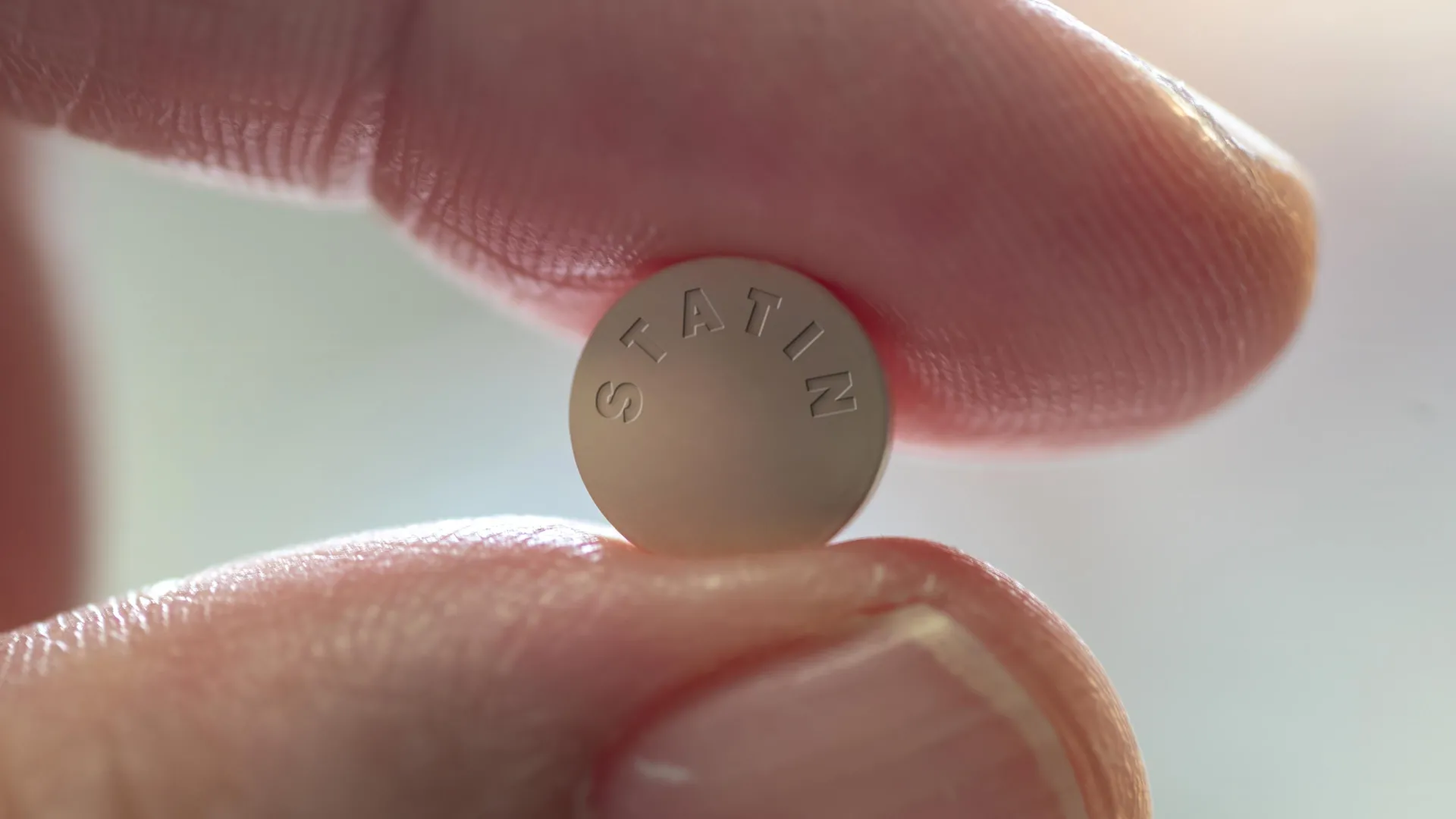
A new discovery may explain why so many people abandon cholesterol-lowering statins because of muscle pain and weakness. Researchers found that certain statins can latch onto a key muscle protein and trigger a tiny but harmful calcium leak inside muscle cells. That leak may weaken muscles directly or activate processes that slowly break them down, offering a long-sought explanation for statin-related aches.
http://dlvr.it/TQTkN1
Tuesday, January 20, 2026
The real danger of Tylenol has nothing to do with autism
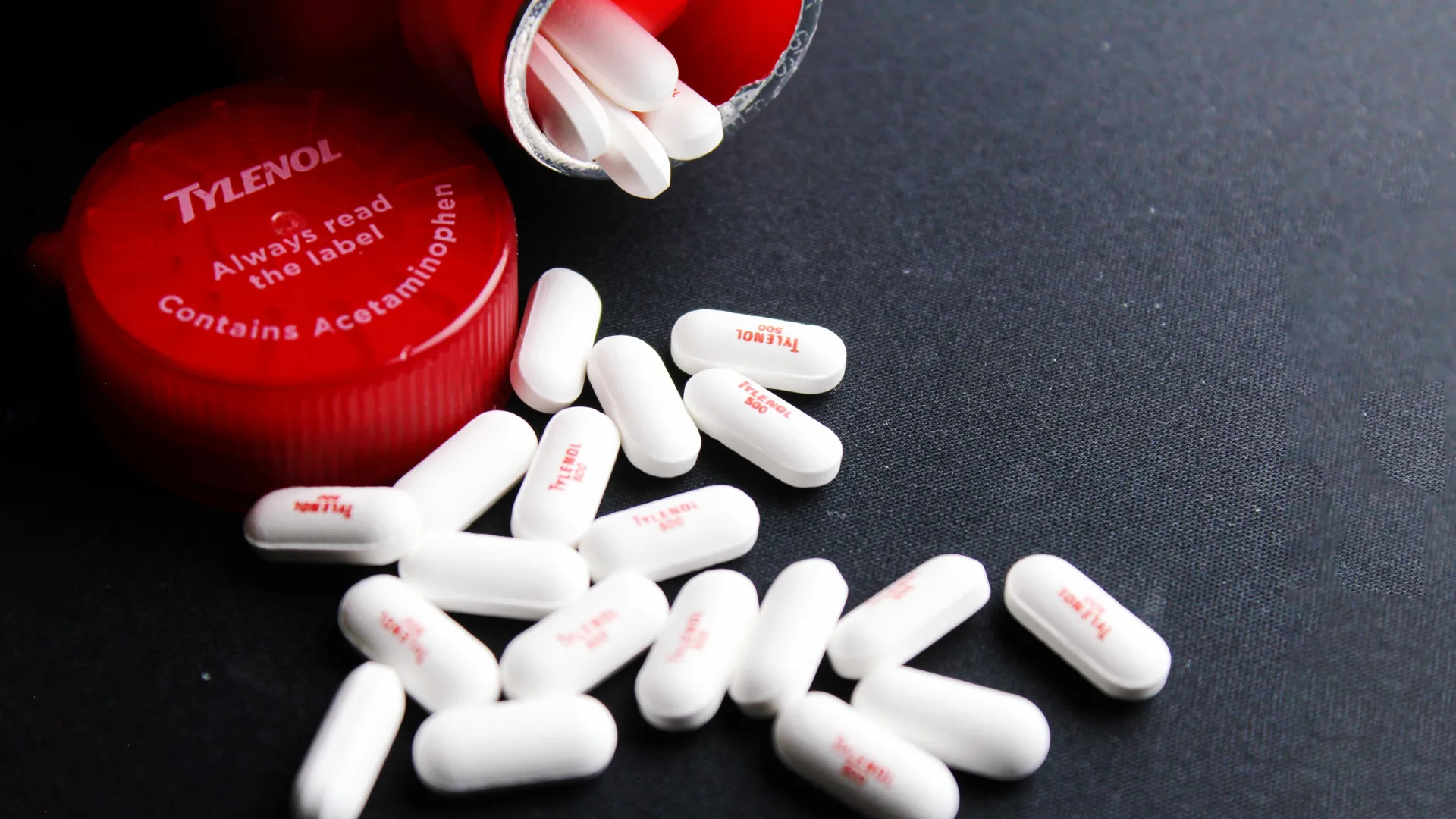
While social media continues to circulate claims linking acetaminophen to autism in children, medical experts say those fears distract from a far more serious and proven danger: overdose. Acetaminophen, found in Tylenol and many cold and flu remedies, is one of the leading causes of emergency room visits, hospitalizations, and acute liver failure in the United States.
http://dlvr.it/TQSd5m
Scientists discover why some wounds refuse to heal
Scientists have uncovered a surprising reason why some chronic wounds refuse to heal, even when treated with antibiotics. A common bacterium found in long-lasting wounds does not just resist drugs. It actively releases damaging molecules that overwhelm skin cells and stop them from repairing tissue. Researchers discovered that neutralizing these harmful molecules with antioxidants allows skin cells to recover and restart healing.
http://dlvr.it/TQS7bf
Top Excuses from Siblings Who Don’t Help with Caregiving
Unfair as it may seem, even in families with many adult children, one sibling usually becomes the primary caregiver for their aging...
The post Top Excuses from Siblings Who Don’t Help with Caregiving appeared first on Minding Our Elders.
Related Stories
* How to Handle Siblings in Denial About a Parent’s Declining Health
* 8 Ways to Lower Caregiver Stress
* The Sacrifices of Caregiving and How We Are Changed
http://dlvr.it/TQS7QC
The post Top Excuses from Siblings Who Don’t Help with Caregiving appeared first on Minding Our Elders.
Related Stories
* How to Handle Siblings in Denial About a Parent’s Declining Health
* 8 Ways to Lower Caregiver Stress
* The Sacrifices of Caregiving and How We Are Changed
http://dlvr.it/TQS7QC
Monday, January 19, 2026
This ultra-sensitive imaging system can spot cancer earlier
A new imaging technology can distinguish cancerous tissue from healthy cells by detecting ultra-weak light signals. It relies on nanoparticles that bind to tumor markers, making cancerous areas easier to identify. The system is far more sensitive than existing tools and could speed up cancer screening. Scientists believe it may help detect tumors earlier and reduce delays in diagnosis.
http://dlvr.it/TQRP8f
How to Convince Your Parent to Move to Assisted Living
Conventional wisdom says that we all want to stay in our own homes for as long as we can. That is likely...
The post How to Convince Your Parent to Move to Assisted Living appeared first on Minding Our Elders.
Related Stories
* How Often Should I When Mom First Moves into Care?
* Consistency In Caregiving Staff Ideal but We Must Manage Expectations
* How to Handle Siblings in Denial About a Parent’s Declining Health
http://dlvr.it/TQR4fq
The post How to Convince Your Parent to Move to Assisted Living appeared first on Minding Our Elders.
Related Stories
* How Often Should I When Mom First Moves into Care?
* Consistency In Caregiving Staff Ideal but We Must Manage Expectations
* How to Handle Siblings in Denial About a Parent’s Declining Health
http://dlvr.it/TQR4fq
Scientists find ‘master regulator’ that could reverse brain aging
Researchers have identified OTULIN, an immune-regulating enzyme, as a key trigger of tau buildup in the brain. When OTULIN was disabled, tau vanished from neurons and brain cells remained healthy. The findings challenge long-held assumptions about tau’s necessity and highlight a promising new path for fighting Alzheimer’s and brain aging. Scientists now believe OTULIN may act as a master switch for inflammation and age-related brain decline.
http://dlvr.it/TQQqmX

Sunday, January 18, 2026
Doctors discover the source of mysterious intoxication
Some people get drunk without drinking because their gut bacteria produce alcohol from food. Researchers have now identified the microbes and biological pathways behind this rare condition, auto-brewery syndrome. Tests showed patients’ gut samples produced far more alcohol than those of healthy people. In one case, a fecal transplant led to long-lasting symptom relief.
http://dlvr.it/TQQRV3
Consistency In Caregiving Staff Ideal but We Must Manage Expectations
Dear Carol: My dad lives in a memory care facility, and overall, I’d give them good ratings. We’re blessed to find such...
The post Consistency In Caregiving Staff Ideal but We Must Manage Expectations appeared first on Minding Our Elders.
Related Stories
* The Sacrifices of Caregiving and How We Are Changed
* How Often Should I When Mom First Moves into Care?
* Coping with the Stigma of Dementia
http://dlvr.it/TQQDp1
The post Consistency In Caregiving Staff Ideal but We Must Manage Expectations appeared first on Minding Our Elders.
Related Stories
* The Sacrifices of Caregiving and How We Are Changed
* How Often Should I When Mom First Moves into Care?
* Coping with the Stigma of Dementia
http://dlvr.it/TQQDp1
Saturday, January 17, 2026
Stanford scientists uncover why mRNA COVID vaccines can trigger heart inflammation
Stanford scientists have uncovered how mRNA COVID-19 vaccines can very rarely trigger heart inflammation in young men — and how that risk might be reduced. They found that the vaccines can spark a two-step immune reaction that floods the body with inflammatory signals, drawing aggressive immune cells into the heart and causing temporary injury.
http://dlvr.it/TQPZ9K
Coping with the Stigma of Dementia
People stare. Most are not unkind, they are just curious. But when someone “different” from the norm becomes part of their environment,...
The post Coping with the Stigma of Dementia appeared first on Minding Our Elders.
Related Stories
* The Sacrifices of Caregiving and How We Are Changed
* New Year’s Resolutions for Caregivers
* How to Cope w ith an Older Adult’s Complaining and Negativity
http://dlvr.it/TQPT2v
The post Coping with the Stigma of Dementia appeared first on Minding Our Elders.
Related Stories
* The Sacrifices of Caregiving and How We Are Changed
* New Year’s Resolutions for Caregivers
* How to Cope w ith an Older Adult’s Complaining and Negativity
http://dlvr.it/TQPT2v
Friday, January 16, 2026
A surprising brain cleanup reduced epileptic seizures and restored memory
A new study suggests temporal lobe epilepsy may be linked to early aging of certain brain cells. When researchers removed these aging cells in mice, seizures dropped, memory improved, and some animals avoided epilepsy altogether. The treatment used drugs already known to science, raising the possibility of quicker translation to people. The results offer new hope for patients who do not respond to existing medications.
http://dlvr.it/TQNgKL
How to Cope w ith an Older Adult’s Complaining and Negativity
You took your mom to the doctor, and she’s upset with you because the appointment took too long. You helped Dad with...
The post How to Cope w ith an Older Adult’s Complaining and Negativity appeared first on Minding Our Elders.
Related Stories
* How to Handle Siblings in Denial About a Parent’s Declining Health
* The Sacrifices of Caregiving and How We Are Changed
* New Year’s Resolutions for Caregivers
http://dlvr.it/TQNVRv
The post How to Cope w ith an Older Adult’s Complaining and Negativity appeared first on Minding Our Elders.
Related Stories
* How to Handle Siblings in Denial About a Parent’s Declining Health
* The Sacrifices of Caregiving and How We Are Changed
* New Year’s Resolutions for Caregivers
http://dlvr.it/TQNVRv
Thursday, January 15, 2026
Massive brain study reveals why memory loss can suddenly speed up with age
A massive international brain study has revealed that memory decline with age isn’t driven by a single brain region or gene, but by widespread structural changes across the brain that build up over time. Analyzing thousands of MRI scans and memory tests from healthy adults, researchers found that memory loss accelerates as brain tissue shrinkage increases, especially later in life. While the hippocampus plays a key role, many other brain regions also contribute, forming a broad vulnerability rather than isolated damage.
http://dlvr.it/TQMn1g
A global cancer surge is underway and the world is not ready
Global cancer cases have surged dramatically, doubling since 1990 and reaching 18.5 million new diagnoses in 2023. Deaths have also climbed to over 10 million a year, with the steepest increases hitting low- and middle-income countries. Without urgent action, researchers project more than 30 million new cases annually by 2050. Alarmingly, around four in ten cancer deaths are tied to preventable risks such as smoking, poor diet, and high blood sugar.
http://dlvr.it/TQMNyN
Wednesday, January 14, 2026
Millions with dementia still prescribed drugs linked to falls and confusion
Despite longstanding guidelines, many dementia patients are still prescribed brain-altering medications that can raise the risk of falls and confusion. A new study shows that while prescribing has decreased overall, people with cognitive impairment remain more likely to receive these drugs. In many cases, there was no documented medical justification. The results suggest that medication safety remains a serious concern in dementia care.
http://dlvr.it/TQLTZ7
8 Ways to Lower Caregiver Stress
Most of us lead frantic lives. That’s the nature of the world today. When you add to that the job—for it is...
The post 8 Ways to Lower Caregiver Stress appeared first on Minding Our Elders.
Related Stories
* The Sacrifices of Caregiving and How We Are Changed
* How Often Should I When Mom First Moves into Care?
* A Common Caregiver Confession: “I Secretly Wish My Ill Loved One Would Die”
http://dlvr.it/TQLLyg
The post 8 Ways to Lower Caregiver Stress appeared first on Minding Our Elders.
Related Stories
* The Sacrifices of Caregiving and How We Are Changed
* How Often Should I When Mom First Moves into Care?
* A Common Caregiver Confession: “I Secretly Wish My Ill Loved One Would Die”
http://dlvr.it/TQLLyg
Why multiple sclerosis slowly steals balance and movement
Many people with multiple sclerosis struggle with balance and coordination, and this study uncovers a hidden reason why. Researchers found that inflammation in the brain disrupts the energy supply of vital movement-controlling neurons. As their mitochondria fail, these cells weaken and eventually die, worsening motor problems over time. Protecting brain energy systems could open the door to slowing these symptoms.
http://dlvr.it/TQLGhx
Tuesday, January 13, 2026
Simple supplement mix shows remarkable results in brain cancer
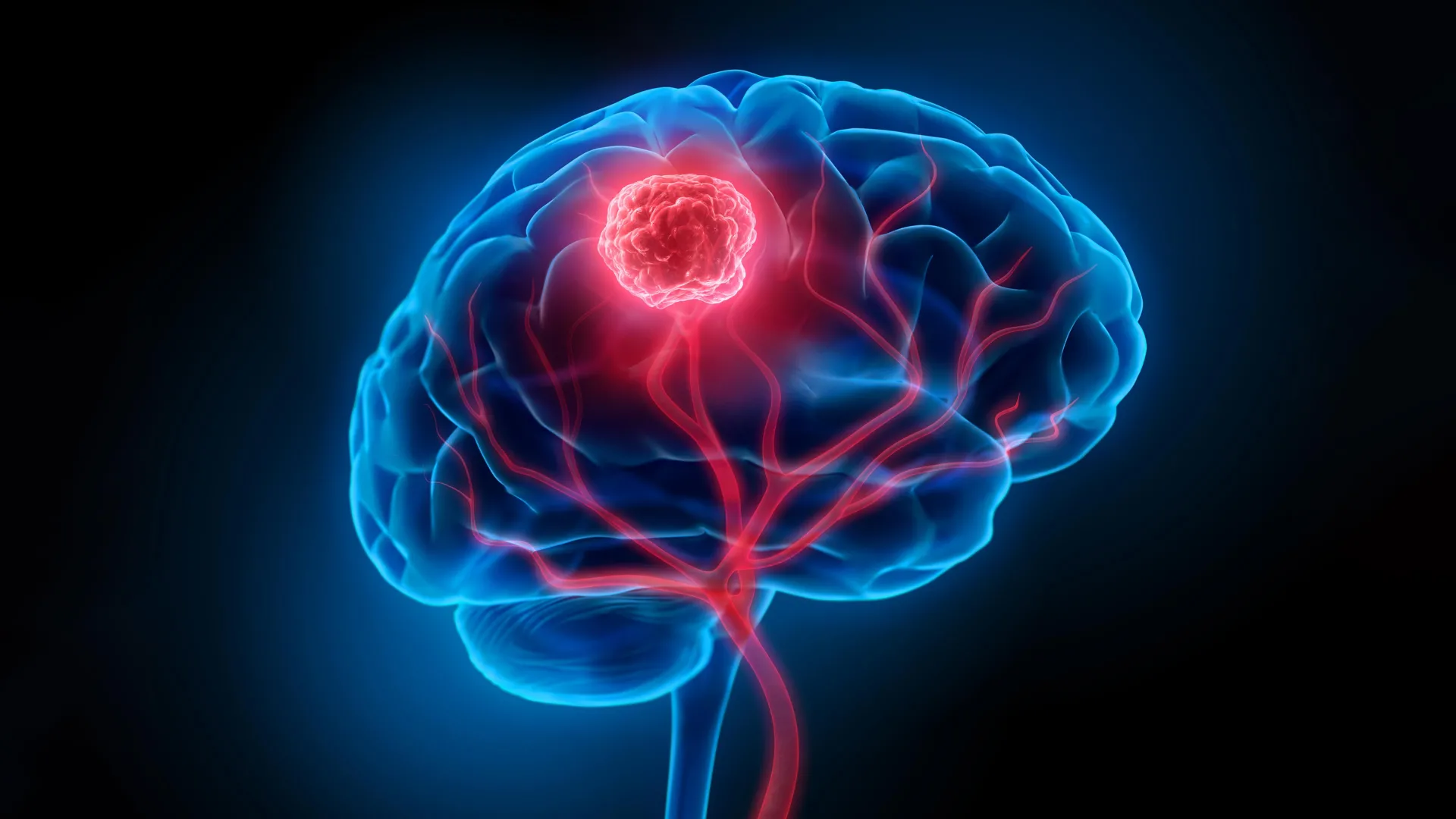
New research is challenging one of medicine’s oldest assumptions: that cancer must be attacked to be cured. By treating glioblastoma patients with a simple combination of resveratrol and copper, the researchers found dramatic reductions in tumor aggressiveness, cancer biomarkers, immune checkpoints, and stem-cell–related markers—all without side effects. Their approach focuses on “healing” tumors by eliminating harmful cell-free chromatin particles released from dying cancer cells, which normally inflame and worsen the disease. The findings hint at a future where inexpensive nutraceuticals could transform cancer therapy.
http://dlvr.it/TQK9t4
The Sacrifices of Caregiving and How We Are Changed
One question that is often asked on the AgingCare.com Caregiver Forum is, “How do I deal with the reality of leaving behind...
The post The Sacrifices of Caregiving and How We Are Changed appeared first on Minding Our Elders.
Related Stories
* New Year’s Resolutions for Caregivers
* Specialized Moving Services Ease Transitions to Senior Living Communities
* How Often Should I When Mom First Moves into Care?
http://dlvr.it/TQJwWS
The post The Sacrifices of Caregiving and How We Are Changed appeared first on Minding Our Elders.
Related Stories
* New Year’s Resolutions for Caregivers
* Specialized Moving Services Ease Transitions to Senior Living Communities
* How Often Should I When Mom First Moves into Care?
http://dlvr.it/TQJwWS
Monday, January 12, 2026
A hidden brain signal may reveal Alzheimer’s long before diagnosis
Researchers have discovered a brain activity pattern that can predict which people with mild cognitive impairment are likely to develop Alzheimer’s disease. Using a noninvasive brain scanning technique and a custom analysis tool, they detected subtle changes in electrical signals tied to memory processing years before diagnosis. The findings point to a new way of spotting Alzheimer’s early—by listening directly to how neurons behave.
http://dlvr.it/TQJDTT
AI finds a hidden stress signal inside routine CT scans
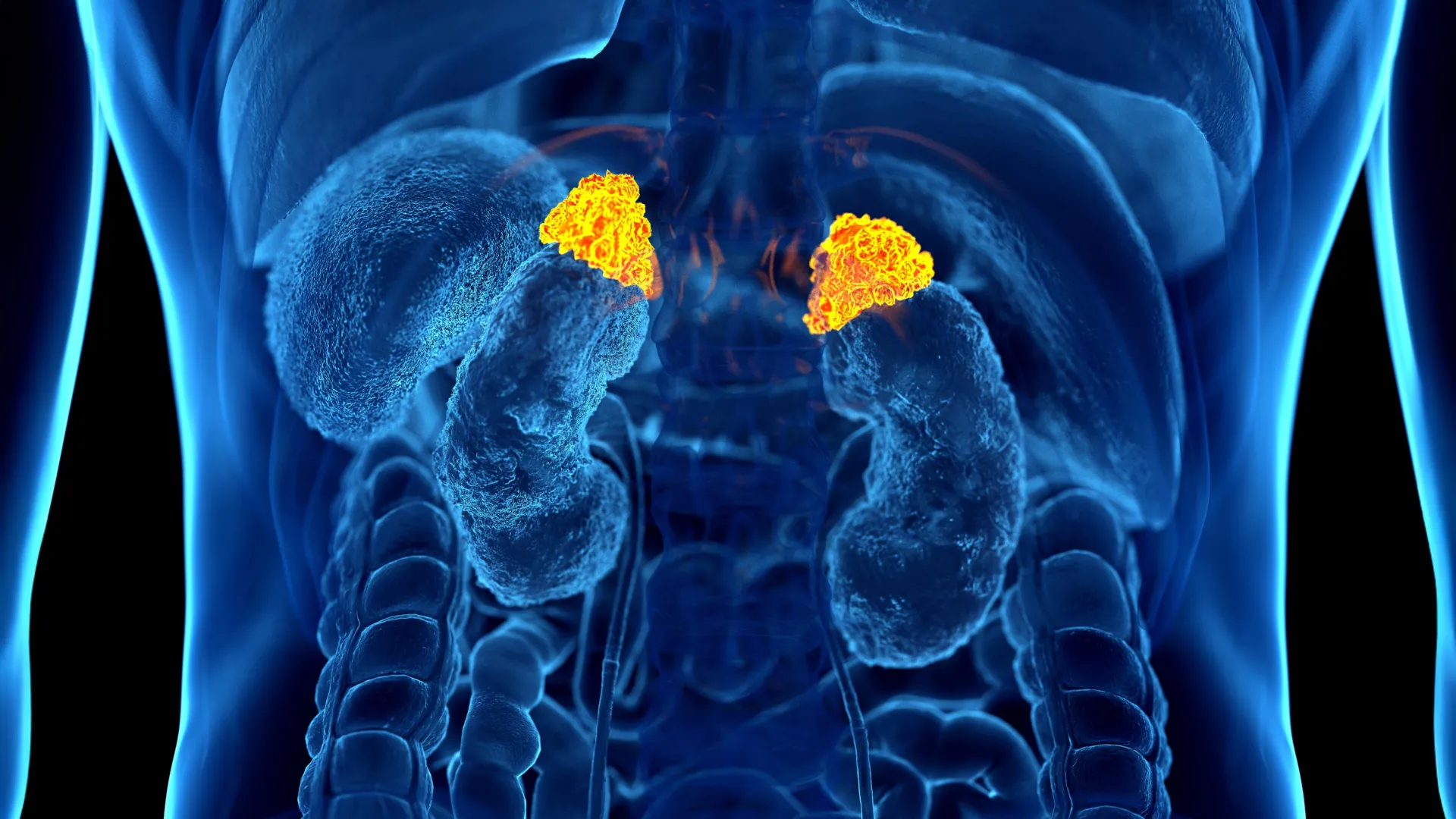
Researchers used a deep learning AI model to uncover the first imaging-based biomarker of chronic stress by measuring adrenal gland volume on routine CT scans. This new metric, the Adrenal Volume Index, correlates strongly with cortisol levels, allostatic load, perceived stress, and even long-term cardiovascular outcomes, including heart failure risk.
http://dlvr.it/TQJ6FD
Subscribe to:
Comments (Atom)