Tuesday, March 31, 2026

Cannabis compounds CBD and CBG may help reverse fatty liver disease, study finds

CBD and CBG, two non-intoxicating cannabis compounds, may help combat fatty liver disease by boosting liver energy reserves and restoring cellular cleanup systems. In the study, both compounds improved blood sugar control and reduced harmful lipids linked to fatty liver disease. Researchers say the findings point to a promising new plant-based approach to treating metabolic liver disorders.


http://dlvr.it/TRpPts

Monday, March 30, 2026

165,000 dementia patients reveal hidden stroke risk from common drug

A massive UK study of more than 165,000 dementia patients has uncovered troubling new evidence about risperidone, a commonly used drug for severe agitation. Researchers found the antipsychotic increases stroke risk in dementia patients across the board—including those with no prior heart disease or stroke—challenging the long-held belief that some patients might be safer candidates than others. Because risperidone is the only drug of its type licensed for dementia, doctors often use it as a last resort when distressing symptoms become unmanageable.


http://dlvr.it/TRnMpy

How to Be a True Friend to a Family Caregiver

Family caregivers often find that their social circles shrink over time. Casual friends are typically the first to drift away because a...


The post How to Be a True Friend to a Family Caregiver appeared first on Minding Our Elders.
             

Related Stories


* Siblings Complain Designated Caregiver Is Slow to Update Them
* Women and Caregiving: The Hidden Health, Work, and Financial Effects of Unpaid Care in Midlife: Part 2
* Understanding the Transition from Just Helping Out to Becoming a Caregiver


http://dlvr.it/TRmp0L

Just a few minutes of effort could lower your risk of 8 major diseases

Just a few minutes of getting out of breath each day could dramatically cut your risk of major diseases—including heart disease, dementia, and diabetes. A large study of nearly 100,000 people found that it’s not just how much you move, but how intensely you move that matters. Short bursts of vigorous activity—like rushing for a bus or climbing stairs quickly—were linked to striking reductions in disease risk, especially for inflammatory conditions and brain health.


http://dlvr.it/TRmnqV

Sunday, March 29, 2026

Insulin pills may soon replace daily injections

For over a century, scientists have chased the dream of insulin pills, but the digestive system kept destroying the drug before it could work—forcing millions of patients to rely on daily injections. Now, researchers at Kumamoto University have developed a clever workaround using a tiny peptide that helps insulin slip through the intestinal wall.


http://dlvr.it/TRmKxv

Siblings Complain Designated Caregiver Is Slow to Update Them

Dear Carol: I’m from a family of three boys, and due to proximity, I’ve become the caregiver for our aging parents. Thankfully,...


The post Siblings Complain Designated Caregiver Is Slow to Update Them appeared first on Minding Our Elders.
             

Related Stories


* Understanding the Transition from Just Helping Out to Becoming a Caregiver
* Women and Caregiving: The Hidden Health, Work, and Financial Effects of Unpaid Care in Midlife: Part 2
* Life As a Caregiver: How to Make Tough Care Decisions


http://dlvr.it/TRm2Y9

Saturday, March 28, 2026

Breakthrough CRISPR system could reverse antibiotic resistance crisis

Antibiotic resistance is racing toward a global crisis, with “superbugs” projected to cause over 10 million deaths annually by 2050. Now, scientists at UC San Diego have unveiled a powerful new CRISPR-based tool that doesn’t just fight resistant bacteria—it can actively strip away their drug resistance. Inspired by gene drives used in insects, the technology spreads a genetic “fix” through bacterial populations, even inside stubborn biofilms that shield microbes from antibiotics.


http://dlvr.it/TRlh4t

Life As a Caregiver: How to Make Tough Care Decisions

Many of us feel honored to provide care for our aging parents or ill spouses, but this honor can also present serious...


The post Life As a Caregiver: How to Make Tough Care Decisions appeared first on Minding Our Elders.
             

Related Stories


* Home is All About Heart, Especially for Older Adults
* Women and Caregiving: The Hidden Health, Work, and Financial Effects of Unpaid Care in Midlife: Part 2
* The Aftermath of Long-Term Caregiving: Is Stress Your New Normal?


http://dlvr.it/TRlM4h

Friday, March 27, 2026

He survived 48 hours without lungs and lived

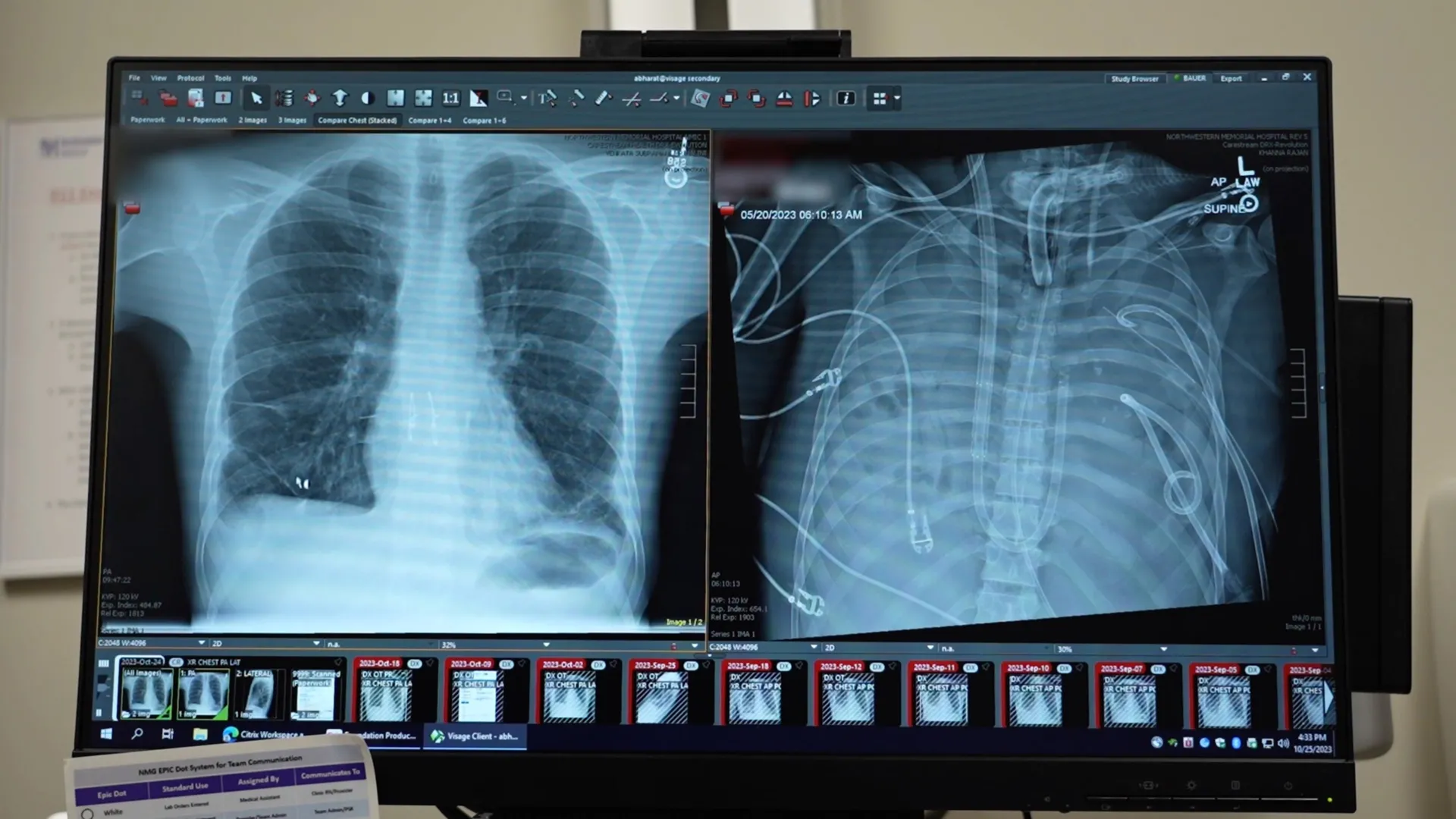
A critically ill 33-year-old man survived an almost unimaginable scenario—living for 48 hours without lungs—thanks to a groundbreaking surgical approach. After a severe flu-triggered infection destroyed his lungs and caused multiple organ failure, doctors removed both lungs entirely to stop the spread of infection. In their place, they used a specially engineered “artificial lung” system to oxygenate his blood and keep his body functioning while he stabilized.


http://dlvr.it/TRkqY5

This popular supplement may increase risk of birth defects, study finds

A new study reveals that high doses of antioxidants—often seen as harmless or beneficial—may actually impact future generations. Male mice given common supplements like NAC produced offspring with subtle but significant facial and skull changes. Researchers believe this is tied to altered sperm DNA, even though the fathers showed no outward health issues.


http://dlvr.it/TRkp4x

AARP Interview: How to Cope When You Are Caregiving for Someone You (Really!) Don’t Get Along With

It was my pleasure to be interviewed by Bruce Horovitz for this AARP article that discusses a difficult topic in a field...


The post AARP Interview: How to Cope When You Are Caregiving for Someone You (Really!) Don’t Get Along With appeared first on Minding Our Elders.
             

Related Stories


* Women and Caregiving: The Hidden Health, Work, and Financial Effects of Unpaid Care in Midlife: Part 2
* Understanding the Transition from Just Helping Out to Becoming a Caregiver
* Home is All About Heart, Especially for Older Adults


http://dlvr.it/TRkSwD

Thursday, March 26, 2026

A promising fatty liver treatment may raise cancer risk

A surprising new study reveals that blocking a supposedly protective enzyme, Caspase-2, could actually backfire—raising the risk of chronic liver damage and cancer over time. Researchers found that without this enzyme, liver cells grow abnormally large and accumulate genetic damage, leading to inflammation, scarring, and eventually tumors, especially with age. While inhibiting Caspase-2 may offer short-term benefits, such as reducing fatty liver disease, the long-term consequences appear dangerous.


http://dlvr.it/TRjsCf

What you do in midlife could reveal how long you’ll live

By closely monitoring fish throughout their lives, researchers found that simple behaviors in midlife—like movement and sleep—can predict lifespan. Fish that stayed active and slept mostly at night tended to live longer, while those slowing down earlier lived shorter lives. Surprisingly, aging didn’t unfold smoothly but in sudden jumps between stages. The work suggests that tracking daily habits in humans could reveal early clues about how we age.


http://dlvr.it/TRjq3M

Wednesday, March 25, 2026

Researchers find alarming Alzheimer’s pattern in rural America

A new analysis of more than 422,000 patients reveals a stark Alzheimer’s care gap between Maryland’s urban and rural communities. Rural regions often lack hospitals and dementia specialists, forcing older patients to travel farther for diagnosis and treatment. Researchers found areas with high Alzheimer’s death rates but surprisingly low diagnosis rates, suggesting many cases may never be identified.


http://dlvr.it/TRhqLk

5 Essential Steps for the Senior Care Conversation

A Place for Mom continues to add to the conversation about how caregiving affects the lives of women. I recently had the...


The post 5 Essential Steps for the Senior Care Conversation appeared first on Minding Our Elders.
             

Related Stories


* Understanding the Transition from Just Helping Out to Becoming a Caregiver
* Women and Caregiving: The Hidden Health, Work, and Financial Effects of Unpaid Care in Midlife: Part 2
* How Caregiving Can Change Your Personality


http://dlvr.it/TRhNsW

Tuesday, March 24, 2026

What happens after Ozempic shocked researchers

Stopping popular weight-loss injections like Ozempic or Mounjaro might not trigger the dramatic rebound many fear. A large real-world study of nearly 8,000 patients found that most people who discontinue these drugs manage to keep the weight off—or even continue losing—by restarting treatment, switching medications, or adopting lifestyle changes. While earlier clinical trials suggested rapid weight regain, this new evidence paints a more hopeful picture.


http://dlvr.it/TRgb9t

Women and Caregiving: The Hidden Health, Work, and Financial Effects of Unpaid Care in Midlife: Part 2

Last week, I wrote about an article released by A Place for Mom in honor of Women’s History Month. The article included...


The post Women and Caregiving: The Hidden Health, Work, and Financial Effects of Unpaid Care in Midlife: Part 2 appeared first on Minding Our Elders.
             

Related Stories


* Understanding the Transition from Just Helping Out to Becoming a Caregiver
* How Caregiving Can Change Your Personality
* The Aftermath of Long-Term Caregiving: Is Stress Your New Normal?


http://dlvr.it/TRgKDN

Monday, March 23, 2026

Stanford scientists say colorblindness may hide a deadly bladder cancer warning

Colorblindness may be doing more than making traffic lights confusing — it could also be hiding a life-threatening warning sign. Researchers analyzing millions of medical records found that people with bladder cancer who are also colorblind have a 52% higher mortality rate over 20 years compared to those with normal vision. The likely reason: many people with color vision deficiency struggle to see red, making it harder to notice blood in urine, the most common early sign of bladder cancer.


http://dlvr.it/TRfYFb

Scientists discover Alzheimer’s hidden “death switch” in the brain

Scientists have uncovered a hidden “death switch” in the brain that may be driving Alzheimer’s disease—and even found a way to turn it off in mice. The culprit is a toxic pairing of two proteins that, when combined, triggers the destruction of brain cells and fuels memory loss. By using a new compound to break apart this deadly duo, researchers were able to slow disease progression, protect brain cells, and even reduce hallmark amyloid buildup.


http://dlvr.it/TRfBCq

The Aftermath of Long-Term Caregiving: Is Stress Your New Normal?

Often, long-term caregivers wonder if their lives will ever return to normal. The short answer is no, at least for most of...


The post The Aftermath of Long-Term Caregiving: Is Stress Your New Normal? appeared first on Minding Our Elders.
             

Related Stories


* Understanding the Transition from Just Helping Out to Becoming a Caregiver
* 10 Tips to Help You “Unplug” from Caregiving
* The Best Ways to Support a Caregiving Spouse


http://dlvr.it/TRf08t

Sunday, March 22, 2026

Simple blood test can forecast Alzheimer’s years before memory loss

Scientists have created a blood test that can estimate when Alzheimer’s symptoms are likely to begin. By measuring a protein called p-tau217, the model predicts symptom onset within roughly three to four years. The protein mirrors the silent buildup of amyloid and tau in the brain long before memory loss appears. This advance could speed up preventive drug trials and eventually guide personalized care.


http://dlvr.it/TRdXSH

Understanding the Transition from Just Helping Out to Becoming a Caregiver

Dear Carol: My parents are in their 80s and not that healthy. Dad has diabetes and heart issues that have required two...


The post Understanding the Transition from Just Helping Out to Becoming a Caregiver appeared first on Minding Our Elders.
             

Related Stories


* When Power of Attorney Disagreements Threaten Family Unity Try Reframing
* How Caregiving Can Change Your Personality
* Helping vs. Enabling: How to Strike a Balance While Caregiving


http://dlvr.it/TRdHqn

Saturday, March 21, 2026

Ultra-processed foods linked to 67% higher risk of heart attack and stroke

Eating large amounts of ultra-processed foods like chips, frozen meals, sugary drinks, and packaged snacks may significantly raise the risk of serious heart problems. In a major U.S. study, people consuming around nine servings per day had a 67% higher risk of heart attacks, strokes, or death from heart disease compared to those eating about one serving. The risk didn’t just jump at high levels either. Each additional daily serving increased the likelihood of these events by more than 5%, even after accounting for calories, overall diet quality, and common health conditions.


http://dlvr.it/TRcsLr

Men are losing a key chromosome with age and it may be deadly

Aging men often lose the Y chromosome in a growing number of their cells—and it may be far more dangerous than once believed. This loss has been linked to heart disease, cancer, Alzheimer’s, and shorter lifespans. Researchers suspect Y-less cells may grow faster and disrupt normal body functions. What seemed like a minor genetic quirk could actually be a major driver of age-related disease.


http://dlvr.it/TRcbDQ

Friday, March 20, 2026

Massive US study finds higher cancer death rates near nuclear power plants

A sweeping nationwide study has found that U.S. counties located closer to operating nuclear power plants have higher cancer death rates than those farther away. Researchers analyzed data from every nuclear facility and all U.S. counties between 2000 and 2018, adjusting for income, education, smoking, obesity, environmental conditions, and access to health care. Even after accounting for those factors, cancer mortality was higher in communities nearer to nuclear plants, particularly among older adults.


http://dlvr.it/TRbs0z

Not Everyone Is Cut Out to Be a Caregiver

Each of us is unique, with our own talents and flaws. Often, our so-called faults are merely ways in which we differ...


The post Not Everyone Is Cut Out to Be a Caregiver appeared first on Minding Our Elders.
             

Related Stories


* How Caregiving Can Change Your Personality
* The Best Ways to Support a Caregiving Spouse
* Respecting Diverse Approaches to Caregiving


http://dlvr.it/TRbcKG

Thursday, March 19, 2026

Is Aging Life Care Management only for Older Adults?

When many people hear the term Aging Life Care management, they instinctively picture older adults, often someone with multiple medical conditions, declining mobility or cognition, or the need for long-term support. While older adults absolutely benefit from Aging Life Care management services, this narrow definition misses the bigger truth: At its core, Aging Life Care management … Continue reading Is Aging Life Care Management only for Older Adults? →


The post Is Aging Life Care Management only for Older Adults? appeared first on Aging Life Care Association.


http://dlvr.it/TRbLCN

New drug protects liver after intestinal surgery and boosts nutrient absorption

A risky but often lifesaving surgery that removes damaged parts of the small intestine can leave patients facing a new threat: serious liver damage with no available treatment. Now, scientists have developed a promising compound that works directly in the gut to shield the liver and improve how the body absorbs nutrients. In mouse studies, the drug boosted weight gain, reduced harmful liver scarring, and avoided side effects by staying confined to the intestines.


http://dlvr.it/TRZpyn

The Best Ways to Support a Caregiving Spouse

When people get married, they quickly learn that they’ve made a commitment to more than one person. Essentially, you marry your spouse’s...


The post The Best Ways to Support a Caregiving Spouse appeared first on Minding Our Elders.
             

Related Stories


* How Caregiving Can Change Your Personality
* Helping vs. Enabling: How to Strike a Balance While Caregiving
* Humor Shared Among Caregivers Is Therapeutic


http://dlvr.it/TRZY1t

Wednesday, March 18, 2026

Your daily coffee may be protecting your brain, 43-year study finds

Your morning coffee or tea could be quietly supporting your brain health. A long-term study found that moderate consumption of caffeinated coffee or tea was linked to an 18% lower risk of dementia and better cognitive performance over time. The benefits appeared strongest at 2–3 cups of coffee or 1–2 cups of tea daily—and even held true for people genetically predisposed to dementia.


http://dlvr.it/TRYy3f

AI finally tests a century old theory about how cancer begins

Cancer often begins when the genetic instructions that guide our cells become scrambled, allowing cells to grow uncontrollably. Now, scientists at EMBL have developed an AI-powered system called MAGIC that can automatically spot and tag cells showing early signs of chromosomal trouble—tiny DNA-filled structures known as micronuclei that are linked to future cancer development.


http://dlvr.it/TRYmFV

Tuesday, March 17, 2026

Scientists finally reveal how this Alzheimer’s drug really works

A key Alzheimer’s drug has finally revealed its secret. Researchers discovered that lecanemab works by activating the brain’s immune cells—but only through a specific part of the antibody called the Fc fragment. This piece acts like a trigger, prompting microglia to clear harmful amyloid plaques. The finding could reshape how future Alzheimer’s therapies are designed.


http://dlvr.it/TRXjYz

Babies exposed to far more “forever chemicals” before birth than scientists knew

Babies born in the early 2000s were exposed in the womb to far more “forever chemicals” than researchers once realized, according to a new study. By using advanced chemical screening on umbilical cord blood, scientists detected 42 different PFAS compounds, including many that standard tests do not routinely check for. These long lasting chemicals are found in common products like nonstick cookware, food packaging, and stain resistant fabrics, and they can build up in the body over time.


http://dlvr.it/TRXVvG

Respecting Diverse Approaches to Caregiving

There is no one-size-fits-all approach to caregiving. Every family caregiver must be free to make choices that work best for their unique...


The post Respecting Diverse Approaches to Caregiving appeared first on Minding Our Elders.
             

Related Stories


* Compassionate Dementia Care Means Avoiding Harsh, Literal Truth
* Recognizing Potential Caregiver Burnout and What to Do About It
* Apologizing After Caregiver Stress Causes a Blowup


http://dlvr.it/TRXN5S

Monday, March 16, 2026

A simple hand photo may be the key to detecting a serious disease

Researchers at Kobe University have developed an AI system that can detect acromegaly, a rare hormone disorder, by analyzing photos of the back of the hand and a clenched fist. The disease often develops slowly and can take years to diagnose, even though untreated cases may shorten life expectancy.


http://dlvr.it/TRWRCk

Sunday, March 15, 2026

Gut bacteria that make serotonin may hold the key to IBS

Researchers have identified two gut bacteria that can produce serotonin, a key chemical that regulates bowel movements. In experiments with mice lacking serotonin, the microbes boosted serotonin levels, increased nerve cells in the colon, and normalized intestinal movement. The study also found that people with IBS have lower levels of one of these bacteria. The discovery suggests gut microbes could become a powerful new target for treating digestive disorders.


http://dlvr.it/TRVWtV

When Power of Attorney Disagreements Threaten Family Unity Try Reframing

Dear Carol: Our 70-year-old parents announced that they are planning to see an elder law attorney to name a Power of Attorney and...


The post When Power of Attorney Disagreements Threaten Family Unity Try Reframing appeared first on Minding Our Elders.
             

Related Stories


* Compassionate Dementia Care Means Avoiding Harsh, Literal Truth
* Apologizing After Caregiver Stress Causes a Blowup
* Helping vs. Enabling: How to Strike a Balance While Caregiving


http://dlvr.it/TRVWjT

Saturday, March 14, 2026

New drug target discovered for devastating “brain on fire” disease

Scientists have zeroed in on a critical weak spot behind a rare but devastating brain autoimmune disorder often known as “Brain on Fire.” The disease strikes when the immune system attacks NMDA receptors—key molecules involved in memory and thinking—leading to psychiatric symptoms, seizures, and even death.


http://dlvr.it/TRTnPY

Apologizing After Caregiver Stress Causes a Blowup

Caregiving is a stressful job even during the best of times. The sheer amount of responsibility is enough to make the most...


The post Apologizing After Caregiver Stress Causes a Blowup appeared first on Minding Our Elders.
             

Related Stories


* Helping vs. Enabling: How to Strike a Balance While Caregiving
* Family Caregivers Still Undervalued By Many
* Why Does My Elderly Loved One Sleep All Day?


http://dlvr.it/TRTmyP

Friday, March 13, 2026

Microplastics may be quietly damaging your brain and fueling Alzheimer’s and Parkinson’s

Tiny plastic particles may be quietly threatening brain health. New research suggests microplastics—now widely found in food, water, and even household dust—could trigger inflammation and damage in the brain through multiple biological pathways. Scientists estimate adults may consume about 250 grams of these particles each year, and some can accumulate in organs including the brain.


http://dlvr.it/TRTd5x

Scientists turn brain cells into Alzheimer’s plaque cleaners

Scientists have developed a promising new approach to treating Alzheimer’s disease by turning ordinary brain cells into powerful plaque-clearing machines. Instead of requiring frequent antibody infusions like current therapies, the experimental treatment uses genetically engineered astrocytes — abundant support cells in the brain — that are equipped with a CAR “homing device” similar to those used in cancer immunotherapy.


http://dlvr.it/TRT6RN

Women and Caregiving: The Hidden Health, Work, and Financial Effects of Unpaid Care in Midlife

Caregiving underpins the U.S. senior care system, and most of that work happens informally, provided by unpaid family members who are filling...


The post Women and Caregiving: The Hidden Health, Work, and Financial Effects of Unpaid Care in Midlife appeared first on Minding Our Elders.
             

Related Stories


* Compassionate Dementia Care Means Avoiding Harsh, Literal Truth
* Helping vs. Enabling: How to Strike a Balance While Caregiving
* Humor Shared Among Caregivers Is Therapeutic


http://dlvr.it/TRSks2

Scientists discover the body’s hidden “off switch” for inflammation

A new human study has uncovered how the body naturally turns off inflammation. Researchers found that fat-derived molecules called epoxy-oxylipins rein in immune cells that can otherwise drive chronic disease. Using a drug to boost these molecules reduced pain faster and lowered harmful inflammatory cells. The discovery could pave the way for safer treatments for arthritis, heart disease, and other inflammation-related conditions.


http://dlvr.it/TRSdCH

Thursday, March 12, 2026

A surprising blood protein pattern may reveal Alzheimer’s

A new study suggests Alzheimer’s disease may be detectable through subtle shape changes in proteins found in the blood. Researchers discovered that structural differences in three blood proteins closely track the progression of the disease. By analyzing these changes in more than 500 people, the team was able to distinguish healthy individuals from those with mild cognitive impairment or Alzheimer’s with impressive accuracy. The approach could help move diagnosis and treatment to earlier stages.


http://dlvr.it/TRRqW1

Helping vs. Enabling: How to Strike a Balance While Caregiving

Most family caregivers want what is best for their loved ones, and they’ll do whatever it takes to make that happen. Unfortunately,...


The post Helping vs. Enabling: How to Strike a Balance While Caregiving appeared first on Minding Our Elders.
             

Related Stories


* Compassionate Dementia Care Means Avoiding Harsh, Literal Truth
* Embracing Positive Caregiving Moments Makes Bad Times Tolerable
* Family Caregivers Still Undervalued By Many


http://dlvr.it/TRRcNb

Scientists finally explain why chronic constipation treatments often fail

A newly discovered bacterial duo may be the hidden cause of chronic constipation. The two microbes break down the colon’s protective mucus layer, leaving stool dry and hard — a problem traditional laxatives don’t fix. Parkinson’s patients, who often struggle with constipation years before tremors appear, have higher levels of these bacteria. Blocking the bacteria’s mucus-destroying enzyme prevented constipation in mice, hinting at a new treatment strategy.


http://dlvr.it/TRRW4j

Wednesday, March 11, 2026

Doctors implant dopamine-producing stem cells in Parkinson’s patients

A groundbreaking clinical trial is testing whether specially engineered stem cells can help the brain restore its own dopamine production in people with Parkinson’s disease. Because the condition is driven by the gradual loss of dopamine-producing cells—leading to tremors, stiffness, and slowed movement—researchers are implanting lab-grown cells directly into the brain’s movement center to replace what’s been lost.


http://dlvr.it/TRQP83

Tuesday, March 10, 2026

Humor Shared Among Caregivers Is Therapeutic

I once visited a caregiver friend and her mother, who had moderate Alzheimer’s disease. At one point during the visit, the mother...


The post Humor Shared Among Caregivers Is Therapeutic appeared first on Minding Our Elders.
             

Related Stories


* Compassionate Dementia Care Means Avoiding Harsh, Literal Truth
* Tips for Helping Older Adults Downsize to Before Moving to Assisted Living
* Making an Assisted Living Apartment or Nursing Home Room Feel Like Home


http://dlvr.it/TRPN6y

Monday, March 9, 2026

Scientists found a hidden fat switch and turned it off

Researchers have discovered a previously unknown enzyme that plays a crucial role in fat production. By blocking it, they stopped weight gain, reduced liver damage, and lowered harmful cholesterol levels in animal studies. The finding opens the door to a new kind of medication that could tackle obesity, fatty liver disease, and cardiovascular disease all at once.


http://dlvr.it/TRP9k6

Why Does My Elderly Loved One Sleep All Day?

As people age, they tend to sleep more lightly than when they were younger. Waking up during the night due to achy...


The post Why Does My Elderly Loved One Sleep All Day? appeared first on Minding Our Elders.
             

Related Stories


* Compassionate Dementia Care Means Avoiding Harsh, Literal Truth
* Embracing Positive Caregiving Moments Makes Bad Times Tolerable
* Resources for Helping Older Adults and Their Families Plan for Future Changes


http://dlvr.it/TRNGQT