Sunday, March 8, 2026

New oxygen gel could prevent amputation in diabetic wound patients

Chronic wounds often spiral out of control because oxygen can’t reach the deepest layers of injured tissue. A new gel developed at UC Riverside delivers a continuous flow of oxygen right where it’s needed most, using a tiny battery-powered system. In high-risk mice, wounds healed in weeks instead of worsening. The innovation could dramatically reduce amputations—and may even open doors for lab-grown organs.


http://dlvr.it/TRN4yh

Scientists discover hidden brain cells that may stop Alzheimer’s tau buildup

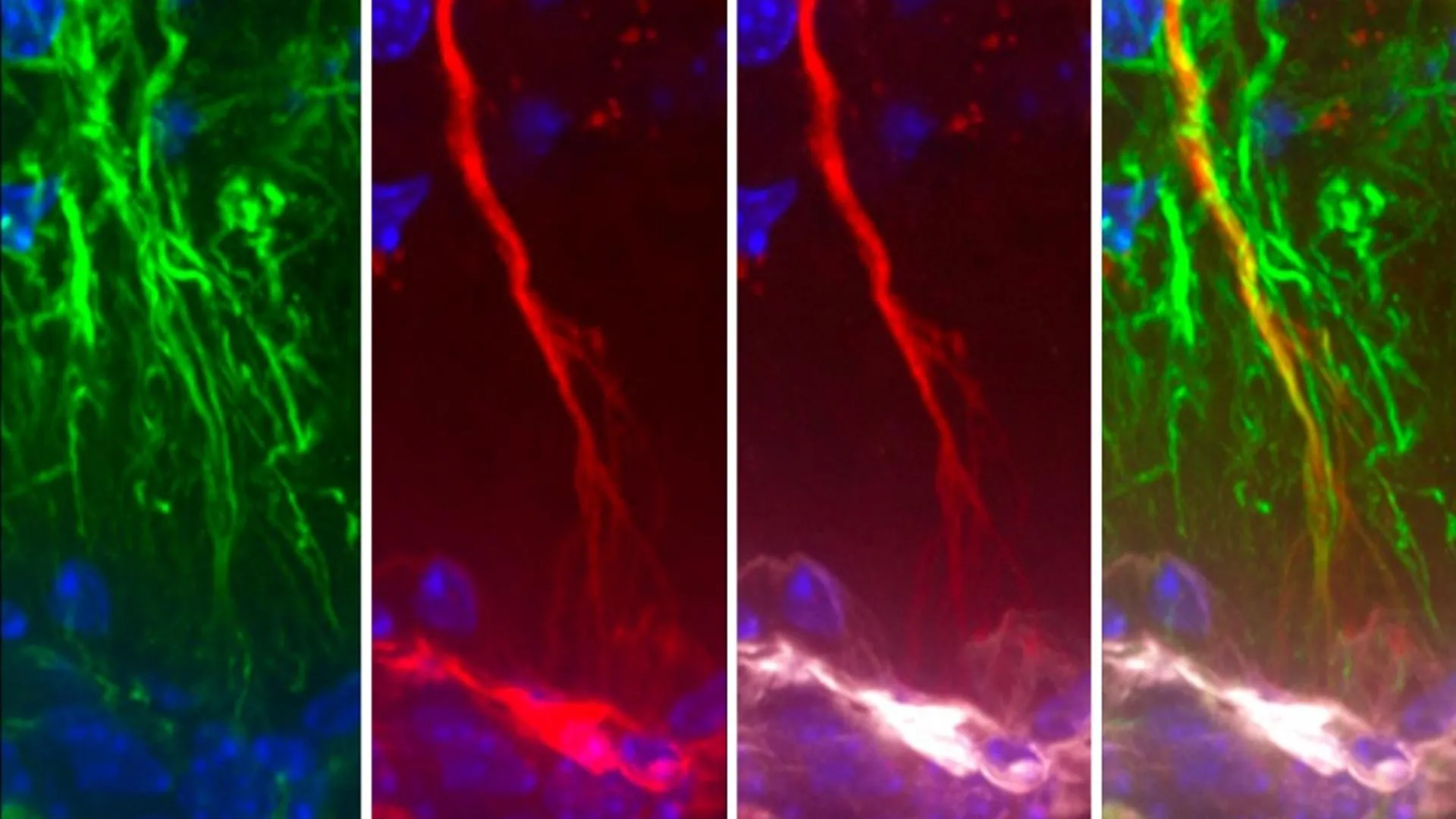
Scientists have uncovered a surprising new role for little-known brain cells called tanycytes that may influence the development of Alzheimer’s disease. These specialized cells appear to help remove toxic tau protein from the brain by transporting it from the cerebrospinal fluid into the bloodstream. When tanycytes become damaged or dysfunctional, tau can accumulate in the brain, a hallmark of Alzheimer’s.


http://dlvr.it/TRN4SB

Compassionate Dementia Care Means Avoiding Harsh, Literal Truth

Dear Carol: I understand that people with dementia who tell outrageous stories aren’t really lying. It’s got to be horrible to feel...


The post Compassionate Dementia Care Means Avoiding Harsh, Literal Truth appeared first on Minding Our Elders.
             

Related Stories


* Resources for Helping Older Adults and Their Families Plan for Future Changes
* How Do We Plan When Elder Care Needs Can Change in an Instant?
* Convincing Older Adults There’s Something to Smile About


http://dlvr.it/TRMT9q

Saturday, March 7, 2026

Air ambulance teams are changing who survives critical injuries

Advanced care provided by air ambulance teams was linked to higher survival rates in major trauma patients. Researchers found that more people survived than predicted by standard models, including many with severe injuries and low chances of survival. Younger patients and those more responsive at first assessment benefited most. Outcomes for traumatic cardiac arrest also improved steadily over the study period.


http://dlvr.it/TRML97

Scientists discover protein that triggers diabetic blindness

A newly identified protein may hold the key to preventing diabetic blindness. Researchers discovered that LRG1 triggers the earliest damage in diabetic retinopathy by constricting tiny retinal blood vessels and reducing oxygen supply. In mice, shutting down this protein stopped the damage before it could take hold. The finding could pave the way for treatments that protect vision before symptoms ever begin.


http://dlvr.it/TRLy9Y